The blog post delves into the historical significance of chaekgeori, a genre of Korean still-life painting that served as a decorative backdrop in the late-Joseon era, paralleling modern-day obsessions with curated backgrounds in video calls. It explores how these artistic expressions communicated identity and status, drawing connections to European cabinets of curiosities and the cultural implications of the objects displayed.
In recent years, particularly during the COVID-19 pandemic, our backgrounds have taken center stage. As millions transitioned to video calls, the spaces behind us became reflections of our identities. This phenomenon, often referred to as background-mania, is not a new concept. It has roots that stretch back hundreds of years, particularly in Korea, where the art of chaekgeori flourished.
Before the pandemic, our bookshelves, walls, and window views were often overlooked. However, as we began to share our private spaces with the world, many of us became obsessed with curating our backgrounds. We invested in lighting, plants, and decor, all in an effort to project an image of sophistication and intelligence. This modern obsession mirrors a historical practice in Korea, where individuals meticulously curated their backgrounds long before the advent of video calls.
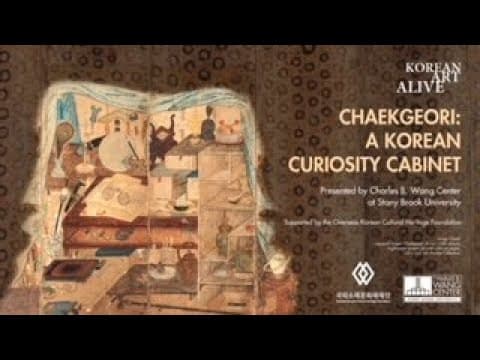
Chaekgeori, which translates to "books and things," is a genre of Korean still-life painting that gained popularity during the late-Joseon period. These folding screens served as decorative backdrops in homes, particularly in reception areas where guests were entertained. Much like modern-day shelves, chaekgeori screens were functional, allowing homeowners to conceal clutter while simultaneously showcasing their tastes and philosophies.
One notable example of chaekgeori is the painting titled "Scholar’s Studio Behind Leopard Skin Curtain," created in the 1800s. This elaborate folding screen features a striking leopard skin design that covers a ten-foot wide, eight-panel structure. Although the identity of the original owner remains unknown, the artwork reveals much about how they wished to be perceived.
The screen employs an optical illusion, suggesting that the leopard skin is being lifted to reveal the owner’s study. This clever design invites viewers to explore the objects within, each telling a unique story about the owner’s identity and interests.
To fully appreciate chaekgeori, we must look back to its historical roots in Europe during the Age of Discovery. As explorers returned from their travels, they brought back exotic items that fascinated the wealthy elite. These collections were displayed in rooms known as kunstkammer, or cabinets of curiosities, designed to impress visitors with the collector's wealth and intellect.
As not everyone could visit these collections in person, many collectors commissioned paintings that depicted their treasures. Artists employed trompe l’oeil techniques to create the illusion of depth and realism, allowing viewers to feel as though they were standing amidst the collection. This practice paralleled the chaekgeori tradition, where the arrangement of objects served to communicate the owner’s status and knowledge.
Returning to the chaekgeori, the arrangement of items on the screen reveals much about the owner’s identity. The presence of leopard skin, for instance, signifies bravery and status in Korean culture. Leopards and tigers were revered as sacred animals, believed to ward off evil spirits. Possessing actual leopard skin was a mark of prestige, and even a painted depiction was a luxury.
The trompe l’oeil effect in the chaekgeori suggests a duality in the owner’s persona. While the leopard skin conveys wealth and strength, the objects behind the curtain—books, a tea set, and utensils—indicate intellectual pursuits. The inclusion of a pomegranate symbolizes fertility, while coral branches and peacock feathers represent aspirations for success.
Interestingly, the screen features two pipes: a long one, indicating wealth, and a shorter one, suggesting practicality. This juxtaposition communicates that the owner is affluent yet self-sufficient, capable of enjoying the finer things in life while remaining grounded.
The chaekgeori serves as a reminder that every object in our backgrounds tells a story. As we adjust our home offices for video calls, we should consider the historical significance of our surroundings. Just as the chaekgeori communicated identity and status in 19th-century Korea, our curated backgrounds today reflect who we are and how we wish to be perceived. The art of background curation is not merely a modern trend; it is a practice steeped in history, revealing the timeless human desire to express identity through our environments.