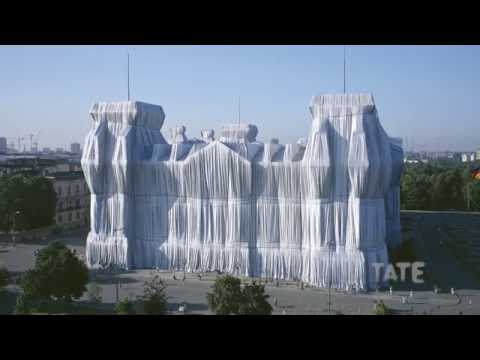
Christo and Jeanne-Claude's wrapping of the Reichstag in 1995 was a unique artistic endeavor that transformed public space into a participatory art experience. This blog explores their vision, the challenges they faced, and the impact of their work on the public.
In June and July of 1995, the Reichstag building in Berlin was transformed into a monumental work of art by the renowned artists Christo and Jeanne-Claude. This project, known as "Wrapped Reichstag," was not just an artistic endeavor but a unique interaction between art and public space. This blog post delves into the vision behind this project, the challenges faced, and the profound impact it had on the public.
Christo and Jeanne-Claude approached art with a distinctive philosophy. They viewed painting as a flat surface and sculpture as a three-dimensional experience. Their work involved borrowing space and creating what they referred to as "gentle disturbances". This concept was central to the wrapping of the Reichstag, where the artists aimed to engage the public in a new way, transforming the familiar into something extraordinary.
One of the most significant hurdles in executing their vision was obtaining the necessary permits. Christo noted that everything in the world belongs to someone, and this reality posed a challenge for their projects. The bureaucratic process of securing permission for such a large-scale installation was daunting, yet it was a crucial step in bringing their artistic vision to life.
The wrapping of the Reichstag lasted for fourteen days, during which it attracted an astonishing five million visitors. This participatory aspect of the project was unique; the energy and anticipation generated by the public were palpable. Christo emphasized that the inherent qualities of the space became part of the artwork itself, creating a dynamic interaction between the installation and its viewers.
Christo and Jeanne-Claude's projects were often described as irrational. They existed not because the world needed them, but because the artists had a deep desire to create them. This notion challenges conventional ideas about art and its purpose. Their work was not meant to be commodified; it was an expression of artistic freedom that could not be owned or sold.
The Wrapped Reichstag was more than just an art installation; it was a catalyst for public engagement and dialogue. The project invited people to reconsider their relationship with public spaces and the nature of art itself. By transforming a historic building into a temporary artwork, Christo and Jeanne-Claude encouraged viewers to see the familiar in a new light.
The wrapping of the Reichstag remains a significant moment in the history of contemporary art. Christo and Jeanne-Claude's ability to create a shared experience through their art exemplifies the power of creativity to transcend boundaries. Their work continues to inspire discussions about the role of art in society and the importance of public engagement in the artistic process. Through their vision, they demonstrated that art can be a powerful force for connection and transformation in the world.