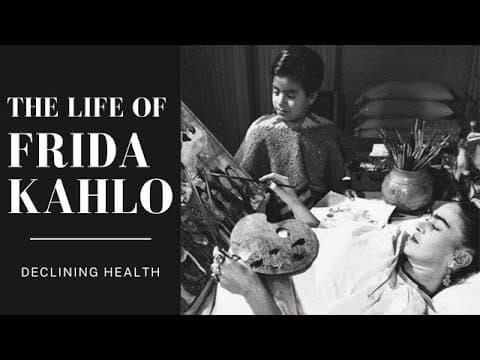
This blog post explores the declining health of Frida Kahlo, detailing her struggles with illness and injury, her tumultuous relationship with Diego Rivera, and the profound impact these experiences had on her art, particularly her most iconic works that reflect her pain and suffering.
Frida Kahlo, a renowned Mexican painter, is celebrated not only for her unique artistic style but also for the profound emotional depth of her work. This blog post delves into the declining health of Frida Kahlo, examining how her physical struggles influenced her art and her tumultuous relationship with Diego Rivera.
Throughout her life, Frida's relationship with Diego Rivera was marked by both love and turmoil. Despite their frequent conflicts and eventual divorce, the couple's bond was undeniable. They remarried after their separation, yet their relationship remained complicated. While their love for each other was evident, it was often overshadowed by personal and mutual challenges.
Frida's health issues began in her childhood when she contracted polio, a debilitating disease that left her with lasting effects. As a teenager, she faced a horrific car accident that would change her life forever. The accident resulted in severe injuries, including multiple fractures, which led to a significant decline in her physical abilities.
Frida transitioned from living a relatively normal life to being confined to her bed, unable to walk or even sit comfortably. This period marked one of the darkest times in her life, as she grappled with her new reality and the pain that accompanied it.
During her struggles, Frida created some of her most poignant works, reflecting her inner turmoil and suffering. Three of her most iconic paintings from this period are "Columna Rota," "Venado Herido," and "Sin Esperanza."
In "Columna Rota" (Broken Column), Frida depicted herself without clothing to expose her broken spine, which had been fractured in three places due to the accident. This raw representation of her physical pain was a powerful statement about her suffering. By choosing to portray herself in such a vulnerable state, Frida aimed to convey the depth of her despair and the reality of her condition.
"Venado Herido" (Wounded Deer) is another significant work where Frida illustrated herself as a deer, pierced by arrows. This imagery symbolizes her emotional pain and the infidelity of Diego, represented by the arrows. The horns of the deer serve as a metaphor for Diego's betrayals, encapsulating the anguish she felt in her personal life.
In "Sin Esperanza" (Without Hope), Frida portrayed her inability to rise from her bed, emphasizing her physical limitations. This painting reflects a time when she was entirely dependent on others for care, further highlighting her feelings of isolation and despair. It is often regarded as one of her saddest works, encapsulating the profound sadness that permeated her life.
Frida Kahlo's declining health had a significant impact on her life and art. Her experiences with illness and injury not only shaped her identity but also fueled her creativity, leading to the creation of powerful works that resonate with themes of pain, love, and resilience. As we continue to explore her life, the question remains: did Frida Kahlo ultimately take her own life? This topic will be addressed in the next chapter of her story.