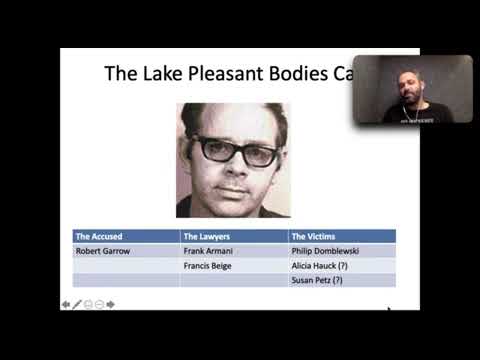
This blog post explores the ethical implications of lawyer-client confidentiality, particularly in cases involving serious crimes. It discusses arguments for and against the obligation of lawyers to disclose information about their clients' criminal activities, emphasizing the moral responsibilities lawyers hold compared to ordinary citizens.
In the realm of legal ethics, the question of whether lawyers should maintain confidentiality regarding their clients' admissions of serious crimes is a contentious issue. This discussion centers around the case of lawyers Armani and Beige, who chose to keep silent about the whereabouts of the bodies of victims Hawk and Pets, allegedly killed by their client, Geralt. The dilemma raises profound questions about the responsibilities of lawyers versus those of ordinary citizens when faced with knowledge of a crime.
The central question posed is whether Armani and Beige should have disclosed the information about the murders to the families of the victims or the authorities. On one hand, lawyers require confidentiality to effectively represent their clients, which includes receiving sensitive information. On the other hand, the anguish experienced by the victims' families suggests that revealing such information might be the morally right course of action.
Philosopher Donigan argues that if an ordinary person were in the position of Armani and Beige, they would be morally obligated to report the crime. If someone confesses to having committed murder, the expectation is that they would inform the police and the families involved. This perspective challenges the notion that lawyers should be treated differently due to their professional status.
The prevailing view among some legal professionals, including the New York Bar Association, is that lawyers receive a sort of "free pass" when it comes to confidentiality. This view suggests that while ordinary citizens must report crimes, lawyers are exempt from this obligation. Donigan contests this notion, asserting that there is no inherent difference between lawyers and non-lawyers in this context. If the moral obligation exists for the general public, it should equally apply to lawyers.
Proponents of the idea that lawyers should maintain confidentiality face two significant burdens:
Donigan examines three primary arguments that attempt to justify why lawyers should not disclose information about their clients' crimes. Each argument ultimately fails to provide a satisfactory rationale for the special treatment of lawyers.
The first argument posits that lawyers are bound by promises of confidentiality made to their clients. However, Donigan points out that one cannot justify immoral actions simply by citing a promise. For instance, if a lawyer promises to keep silent about a murder, this promise does not hold moral weight if it involves wrongdoing. Promises to do something morally wrong are, in essence, invalid.
The second argument suggests that lawyers, acting as their clients' alter ego, have a right against self-incrimination. While it is true that the Fifth Amendment protects individuals from being compelled to testify against themselves, Donigan argues that this legal right does not equate to a moral right. Morally, if a lawyer knows of a crime, they should disclose it rather than remain silent.
The third argument acknowledges that confidentiality should be broken if a crime is ongoing. However, this argument fails to provide a clear distinction between lawyers and non-lawyers. If the expectation is that ordinary citizens must report ongoing crimes, the same should apply to lawyers.
The ethical implications of lawyer-client confidentiality in cases involving serious crimes present a complex moral landscape. Donigan's analysis reveals that the arguments supporting the notion that lawyers should maintain confidentiality are fundamentally flawed. Ultimately, if ordinary citizens are expected to report crimes, lawyers should not be exempt from this moral obligation. The case of Armani and Beige serves as a critical reminder of the ethical responsibilities that come with the legal profession, emphasizing that the duty to uphold justice may sometimes outweigh the duty to maintain client confidentiality.