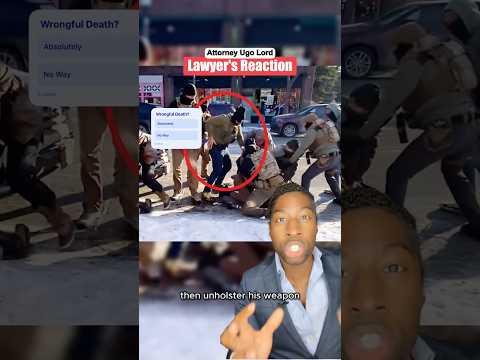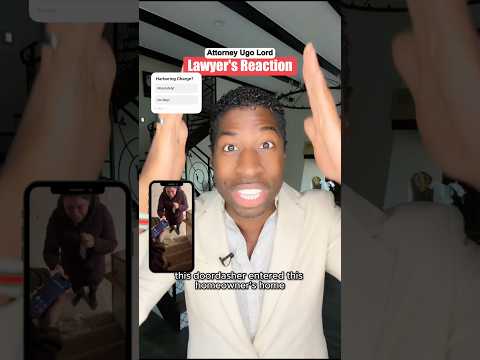
A DoorDash driver hid in a homeowner's residence to evade ICE agents, raising questions about the homeowner's legal liability. Attorney Ugo Lord explains that since the driver entered without consent and the homeowner asked her to leave, the homeowner cannot be charged with harboring. The article explores the legal nuances of consent, law enforcement entry, and harboring charges in such scenarios.
A recent incident involving a DoorDash driver who hid inside a homeowner's residence to evade Immigration and Customs Enforcement (ICE) agents has sparked widespread discussion about the legal responsibilities and potential liabilities of homeowners in such situations. This article delves into the details of the event and provides a comprehensive legal analysis based on the insights of attorney Ugo Lord.
The situation began when a DoorDash driver, apparently trying to avoid ICE agents, ran into a homeowner's house without permission. The homeowner, surprised and concerned, found ICE agents surrounding the property shortly after. The agents claimed they did not have a warrant but intended to obtain one. The homeowner contacted the police for assistance.
During the encounter, ICE agents insisted that the homeowner open the door, warning that refusal could lead to charges of harboring a wanted individual. The homeowner expressed concern for her family, including a two-year-old child, and noted the aggressive posture of the ICE agents, who were visibly armed. The tension highlighted the homeowner's fear of allowing armed officers into her home without proper legal authority.
Attorney Ugo Lord provides clarity on the legal aspects of this complex situation. The key points of his analysis include:
Harboring a wanted criminal, such as an undocumented person sought by ICE, involves intentionally and willfully providing shelter or assistance to evade law enforcement.
In this case, the DoorDash driver entered the homeowner's residence without consent. The homeowner explicitly asked the driver to leave, indicating no willingness to harbor the individual.
There is no legal obligation for a homeowner to allow law enforcement officers into their home without a warrant. The ICE agents' claim that they would obtain a warrant does not grant immediate authority to enter.
The homeowner's apprehension about allowing armed ICE agents into her home is reasonable, especially considering the presence of a young child and the potential for escalation.
Given these facts, the homeowner cannot be charged with harboring. The critical factor is the lack of consent for the individual's presence and the homeowner's efforts to remove the person from the premises.
This incident underscores important considerations for homeowners when confronted with law enforcement seeking entry:
The case of the DoorDash driver hiding from ICE agents in a private home raises significant questions about the intersection of immigration enforcement and individual rights. Attorney Ugo Lord's analysis reassures homeowners that they are protected under the law when they do not consent to harboring individuals and when law enforcement lacks a warrant for entry.
Understanding these legal boundaries is crucial for maintaining personal safety and upholding constitutional rights in challenging situations involving law enforcement and immigration authorities.