This blog post explores the complex case of Robert Garrow, who confessed to his lawyers about the murders of two missing girls while on trial for another murder. It delves into the ethical implications of lawyer-client confidentiality, the challenges of the insanity defense, and the aftermath of Garrow's actions, including his escape from prison and the lawyers' decisions regarding confidentiality.
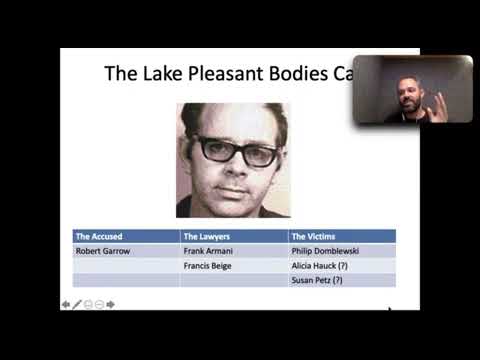
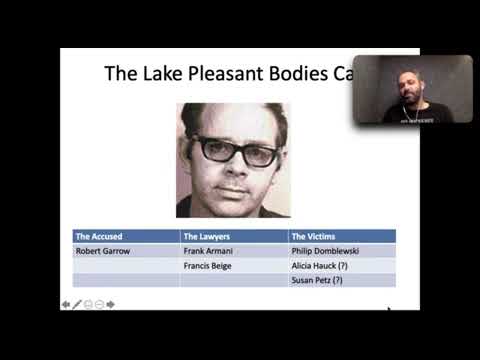
In this lecture, we explore a challenging case that raises significant questions about lawyer-client confidentiality. The case revolves around Robert Garrow, a man accused of murder, and the ethical decisions made by his defense attorneys, Frank Armani and Francis Beige.
Robert Garrow was accused of killing Philip Dlooski. During the course of his legal proceedings, two teenage girls, Alicia Hawk and Susan Pence, went missing. Although there was no concrete evidence linking Garrow to their disappearance, suspicions arose regarding his involvement.
While meeting with his lawyers, Garrow confessed to the murders of Hawk and Pence. However, Armani and Beige were initially skeptical of his confession. They challenged Garrow, asking him to provide the location of the bodies. In response, Garrow drew a map indicating where he had buried the girls.
The lawyers, wanting to verify the information, decided to investigate further. They ventured into the woods and, to their shock, discovered the bodies exactly where Garrow had indicated. At this point, the families of the missing girls were still in anguish, uncertain of their daughters' fates.
The decision by Armani and Beige to keep Garrow's confession confidential posed a significant ethical dilemma. The families of Hawk and Pence were desperate for answers, yet the lawyers chose to uphold their duty of confidentiality. This decision sparked outrage among the public, especially when it became clear that the lawyers had knowledge of the murders but chose not to disclose it.
As Garrow's trial for the murder of Dlooski progressed, his lawyers opted to pursue an insanity defense. This strategy is often seen as a last resort in criminal cases, as it rarely succeeds unless the defendant has a history of mental illness. During the trial, Garrow admitted to killing Hawk and Pence, which further complicated the situation. The public was outraged, realizing that the lawyers had known about the murders all along.
Ultimately, Garrow's insanity defense failed, and he was convicted. Following the trial, there were calls for disciplinary action against Armani and Beige for their handling of the case. However, they faced no formal punishment. One of the lawyers, Beige, was charged with obstruction of justice for moving one of the victims' skulls but was later exonerated by the court, which stated that he acted in the best interest of his client.
In a twist of fate, Garrow later escaped from prison. This prompted Armani to cooperate with law enforcement to help recapture him, which raised further questions about the confidentiality agreement. Lawyers are bound to maintain confidentiality for life, regardless of whether they are still representing the client. Armani's decision to assist the police was based on his belief that Garrow posed a threat to him and his family, as well as the notion that Garrow's escape constituted a crime in progress.
The case of Robert Garrow serves as a poignant example of the ethical complexities surrounding lawyer-client confidentiality. While the legal system is designed to protect the rights of defendants, it also raises difficult questions about the impact of those protections on victims and their families. The decision by Garrow's lawyers to keep his confession confidential until it served their client's interests highlights the tension between legal ethics and moral responsibility. As we continue to examine this case, we must consider the broader implications for the legal profession and the pursuit of justice.