This blog post explores the rich history of poster design, tracing its origins from ancient wall paintings to modern digital formats. It highlights key developments in printing technology, the role of posters in communication and propaganda, and their influence on contemporary visual culture.
Posters have played a fundamental role in visual culture, serving as one of the most prominent forms of visual communication throughout the 20th century. This blog post delves into the history of posters, examining their origins, development, and impact on modern visual communication.
Posters are integral to the promotion and production of various content, including films, political propaganda, and social events. They visually communicate concepts and ideas, making them a vital part of advertising and public messaging.
The use of visual communication can be traced back to ancient times when people utilized cave walls to express thoughts and ideas. For instance, in Pompeii, just before the eruption of Mount Vesuvius, walls were adorned with text and graffiti that served as a means of communication.
The history of posters is closely linked to the development of printing techniques. In the 14th century, the invention of the Gutenberg printing press revolutionized the way information was disseminated. The first paper poster was created by William Caxton, who brought the press to Britain. However, the first printed poster that included a visual element was produced by Jean Dupin in France in 1492.
Lithographic printing, which involves using a stone to transfer ink onto paper, allowed for more detailed and colorful posters. This technique led to the creation of visually appealing posters that became popular in the 18th and 19th centuries, particularly in France, where they were used to promote theater performances and social events.
The 18th and 19th centuries saw a significant increase in the use of visual art for communication. Posters became a medium for promoting dance and theater performances, showcasing vibrant colors and creative typography. Artists like Jules Chéret and Henri de Toulouse-Lautrec were instrumental in this movement, creating iconic posters that captured the essence of the era.
In India, the introduction of the printing press by Raja Ravi Varma allowed for the mass production of religious images, which were used as posters. Similarly, in Japan, woodblock prints gained popularity in the 17th to 19th centuries, with artists like Hokusai creating visually striking works that influenced poster design.
The Art Deco era introduced flowing natural forms and elegant designs in posters. This period also marked the beginning of minimalism in poster design, with artists like Leonetto Cappiello focusing on bold colors and central concepts rather than cluttered imagery.
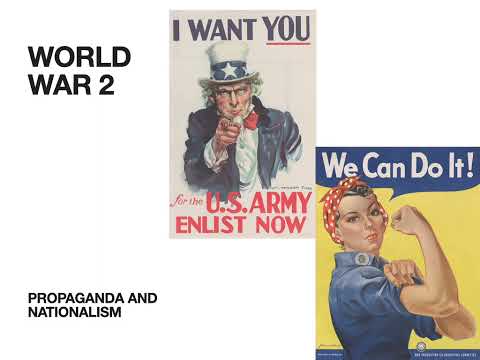
World War I and II saw the rise of propaganda posters that encouraged enlistment and national pride. These posters often featured strong graphic styles and catchy phrases to motivate the public. In India, nationalist movements utilized posters to promote unity and independence, employing symbols like Bharat Mata to resonate with the masses.
With the advent of digital technology, poster design has evolved significantly. Digital posters can now be animated and integrated into social media marketing strategies. They are no longer static but can be dynamic, capturing the attention of audiences in urban landscapes like Times Square.
Today, posters influence a wide range of content on social media and websites. They are designed to convey information visually and promote messages effectively, reflecting the ongoing evolution of visual communication in the digital age.
The history of poster design is a testament to the power of visual communication. From ancient wall paintings to modern digital formats, posters have continuously adapted to the needs of society, influencing how we perceive and interact with the world around us. As we move forward, the role of posters in communication will only grow, shaping the future of visual culture.