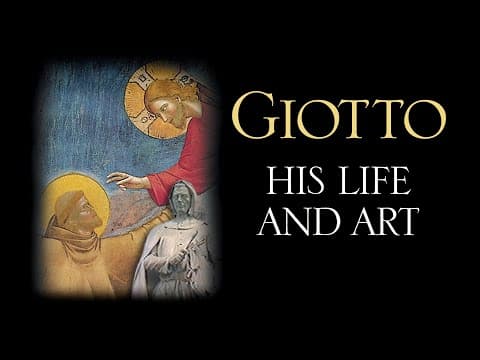
This blog post explores the life and artistic journey of Giotto, a pivotal figure in the Renaissance, detailing his early years, apprenticeship, major works, and lasting impact on art and culture.
Nestled near Florence, in the picturesque village of Colle di Vespignano, a boy named Giotto di Bondone was born to a family of farmers. His early life was marked by a deep connection to nature and a burgeoning talent for painting that would eventually revolutionize the art world.
Giotto's childhood was spent in the lush landscapes of Tuscany, where he often tended to sheep and observed the beauty around him. His father, Bondone, recognized his son's artistic potential and sought to steer him away from the hardships of farming. Instead, he encouraged Giotto to pursue a trade that would provide a better livelihood.
At the age of ten, Giotto became an apprentice in the prestigious wool guild in Florence. However, his passion for painting led him to frequently abandon his loom to watch the renowned painter Cimabue at work. Cimabue, impressed by Giotto's talent, took him under his wing, marking the beginning of Giotto's formal artistic training.
During his apprenticeship, Giotto fell in love with a young Florentine woman named Micaela. Their love blossomed into marriage, and together they had eight children—four boys and four girls. Micaela's support was crucial as Giotto navigated the demands of his burgeoning career.
Giotto's first significant commission came at the age of twenty when he was invited to paint frescoes in the Basilica of St. Francis in Assisi. This opportunity allowed him to showcase his talent on a grand scale, painting scenes from the Old and New Testaments. His work was characterized by a new approach to realism, moving away from the Byzantine style that dominated the era.
In 1300, Pope Boniface VIII commissioned Giotto to create a series of frescoes for the first Jubilee in history. This project further solidified his reputation as a leading artist of his time. Giotto's frescoes depicted the life of St. Francis with a depth of emotion and humanity that resonated with viewers, capturing the essence of the saint's experiences.
One of Giotto's most celebrated works is found in the Scrovegni Chapel in Padua, where he painted a series of frescoes that narrate the life of Christ and the Virgin Mary. This project, completed in 1305, is often regarded as his masterpiece. The frescoes are notable for their vivid storytelling, emotional depth, and innovative use of space and color.
Giotto's ability to convey complex human emotions through his art marked a significant departure from the more rigid and stylized representations of earlier periods. His work in Padua is a testament to his mastery of narrative and composition, showcasing the full range of human experience from joy to sorrow.
As Giotto's fame grew, so did his wealth. He became a sought-after artist, receiving commissions from influential patrons, including the wealthy banking families of Florence. His artistic influence extended beyond painting; he was also appointed as the architect of Florence's cathedral and designed its iconic bell tower.
Despite his success, Giotto faced challenges, including the devastating flood of the Arno River in 1333, which prompted him to restore the city. His contributions to Florence were recognized when he was named master and governor of the cathedral's construction.
Giotto's life came to an end on January 8, 1337. The city of Florence mourned his passing, honoring him with a public funeral and burial in the cathedral he had helped to design. His legacy as a pioneer of Renaissance art endures, influencing countless artists and shaping the course of Western art history.
Giotto di Bondone's journey from a humble shepherd boy to one of the most celebrated artists of the Renaissance is a remarkable story of talent, perseverance, and innovation. His ability to blend the visible and invisible, the earthly and divine, transformed the art world and laid the groundwork for future generations of artists. Giotto's name remains synonymous with artistic excellence, a testament to his enduring impact on the cultural landscape of Italy and beyond.