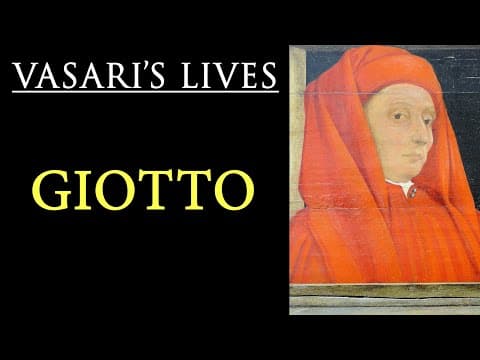
Giotto di Bondone, a pivotal figure in the history of art, revolutionized painting in the 14th century by reviving naturalism and emotional expression. His works, characterized by their vivid realism and innovative techniques, laid the groundwork for future artists and established him as a master of the Renaissance.
Giotto di Bondone, born in 1276 in the village of Vespignano near Florence, is celebrated as one of the most significant figures in the history of Western art. His contributions to painting, sculpture, and architecture marked a turning point in the transition from medieval to Renaissance art. This blog post explores Giotto's life, his artistic journey, and the profound impact he had on the art world.
Giotto was born to a peasant family, with his father, Bondone, working the land. From a young age, Giotto displayed an extraordinary talent for drawing, often sketching on stones and in the dirt. His natural inclination towards art caught the attention of the painter Cimabue, who invited him to Florence to study under his guidance. Giotto quickly surpassed his master, developing a unique style that emphasized realism and emotional depth.
Giotto's work marked a departure from the Byzantine style that dominated the art of his time. He revived the practice of portraying human figures with accurate proportions and expressions, drawing inspiration directly from nature. His ability to depict the human experience with authenticity was revolutionary, as he introduced a new approach to composition and perspective.
Among Giotto's most famous works are:
Giotto's influence extended beyond his lifetime, inspiring countless artists during the Renaissance and beyond. His techniques laid the groundwork for later masters such as Michelangelo and Raphael, who admired his ability to blend realism with spiritual themes. Giotto's emphasis on naturalism and emotional expression became a hallmark of Renaissance art.
Giotto's life was marked by both artistic success and personal challenges. He was married and had children, balancing his family life with his demanding career. He passed away in 1336, leaving behind a legacy that would shape the future of art.
In recognition of his contributions, Giotto was honored with a marble portrait in the Florence Cathedral, a testament to his enduring impact on the art world. His works continue to be celebrated for their beauty and innovation, and they remain a vital part of art history curricula around the world.
Giotto di Bondone's life and work represent a pivotal moment in the evolution of art. His ability to capture the human experience with unprecedented realism and emotional depth transformed the landscape of painting and set the stage for the Renaissance. As we reflect on his contributions, we recognize Giotto not only as a master artist but also as a visionary who redefined the possibilities of visual storytelling in art.