Abstract Expressionism, a pivotal art movement from 1941 to 1956, is characterized by its two main subsets: Action Painting and Color Field Painting. Key figures like Jackson Pollock and Mark Rothko emerged during this time, influencing the art world significantly. The movement marked a cultural shift from Europe to America, establishing New York as the new center of the art world. Despite initial struggles, Abstract Expressionism became a dominant force in American art, reflecting the psychological and societal changes of the era.
The Abstract Expressionist movement, which flourished from approximately 1941 to 1956, is a significant chapter in the history of modern art. This movement is primarily divided into two groups: Action Painters and Color Field Painters. Notable Action Painters include Jackson Pollock, Willem de Kooning, and Franz Klein, while prominent Color Field Painters include Mark Rothko and Barnett Newman. Additionally, many artists operated in the space between these two categories, contributing to the rich tapestry of Abstract Expressionism.
Abstract Expressionism left a profound legacy that influenced the rest of the 20th century. It established a dominant narrative in the American art scene, characterized by the notion of the solitary white male artist as a genius, creating works that symbolized the freedom of the American spirit. This idea, often referred to as formalist abstraction, became the prevailing critical aesthetic in America, heavily promoted by art critics and university programs.
The 1950s marked a period of economic prosperity in the United States, leading to a boom in art galleries and museums. These institutions sought to collect and promote Abstract Expressionist art, which became synonymous with American cultural identity. Despite the artists' later financial success, the early years of the movement were marked by struggle, with many artists not achieving significant financial rewards until later in life.
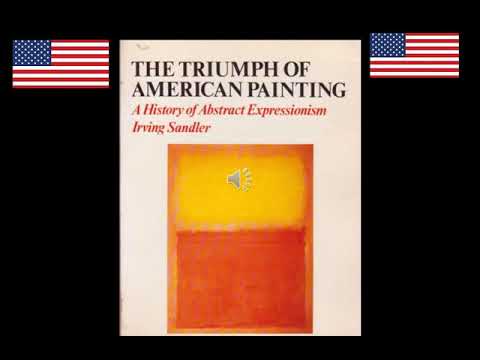
One of the most notable aspects of Abstract Expressionism is its role in shifting the center of the art world from Europe to America. This movement marked the first time an American art style gained international prominence, leading to a cultural pride that resonated with many Americans. Textbooks from the era, such as "The Triumph of American Painting," celebrated this moment as a significant achievement in American art history.
Critics like Harold Rosenberg and Clement Greenberg played crucial roles in shaping the narrative around Abstract Expressionism. Rosenberg described the act of painting as a struggle akin to a boxing match, emphasizing the psychological and personal aspects of the artist's journey. Greenberg, on the other hand, championed the idea of art for art's sake, advocating for a pure form of painting that focused on flatness and color rather than representation.
The language used by critics often portrayed these artists as rugged heroes, reflecting the masculine ideals of the time. This mythology contributed to the appeal of Abstract Expressionism, particularly in the post-World War II context, where themes of heroism and individualism were prevalent in American culture.
The artists of this movement were deeply influenced by the historical events of their time, including the Great Depression and World War II. Many were children of immigrants and faced economic hardships during their formative years. The Works Progress Administration (WPA) provided opportunities for artists to create murals, which taught them the importance of scale and community engagement in art.
The arrival of European surrealists fleeing World War II also impacted the New York art scene. Artists like Roberto Matta and Max Ernst introduced ideas of automatism and the exploration of the unconscious mind, which resonated with the Abstract Expressionists.
The psychological theories of Sigmund Freud and Carl Jung significantly influenced Abstract Expressionism. Jung's concept of the collective unconscious and archetypes resonated with artists seeking to express universal human experiences through their work. Joseph Campbell's exploration of the hero's journey further inspired these artists, as they grappled with their internal struggles and sought to convey deeper meanings through abstraction.
Jackson Pollock is perhaps the most iconic figure of Abstract Expressionism, known for his drip paintings that embody the chaotic energy of the universe. His technique of laying canvases on the ground and dripping paint allowed him to engage with the work physically and emotionally, creating a sense of ritual and healing.
Mark Rothko's work evolved from mythological references to large, color-dominated canvases that aimed to evoke emotional responses from viewers. His paintings are characterized by their ethereal quality and depth, inviting contemplation and introspection.
Barnett Newman is known for his "zips," vertical lines that symbolize individuality and existential themes. His work often reflects a spiritual dimension, connecting abstraction with deeper moral and philosophical inquiries.
Willem de Kooning's style was marked by constant evolution, blending abstraction with representational elements. His "Women" series, characterized by aggressive and fragmented forms, sparked discussions about gender and identity in art.
Franz Klein's bold black and white compositions and Clifford Still's color field paintings contributed to the diversity of the movement, showcasing the range of approaches within Abstract Expressionism.
Women played a crucial role in the success of Abstract Expressionism, both as artists and patrons. Peggy Guggenheim and Betty Parsons were instrumental in promoting the work of these artists, providing platforms for their exhibitions and helping to establish their reputations.
Abstract Expressionism represents a transformative period in American art, characterized by its exploration of individual expression, psychological depth, and cultural identity. The movement's legacy continues to influence contemporary art, reminding us of the power of abstraction to convey complex human experiences and emotions. As we reflect on this pivotal moment in art history, we recognize the enduring impact of these artists and their contributions to the broader narrative of modern art.