Arbitration is a binding method of alternative dispute resolution (ADR) that offers a faster and often more cost-effective way to resolve disputes compared to traditional litigation. Unlike mediation and negotiation, arbitration results in a final decision made by an arbitrator, which is difficult to appeal. This blog post explores the nuances of arbitration, its comparison with other ADR methods, and its practical implications in various contexts.
Arbitration is a significant method of alternative dispute resolution (ADR), which also includes mediation and negotiation. ADR methods provide alternatives to traditional litigation, allowing parties to resolve disputes outside of state or federal courts. This blog post delves into how arbitration works, its comparison with other ADR methods, and its practical applications.
Arbitration is a binding process where disputing parties agree to submit their conflict to an arbitrator or a panel of arbitrators. The arbitrator's decision is final and typically cannot be appealed, making arbitration a distinct choice among ADR methods.
To fully understand arbitration, it is essential to compare it with negotiation and mediation:
Negotiation is an informal process involving offers and counteroffers between parties. It is voluntary and may or may not lead to a resolution. The flexibility of negotiation allows parties to explore various solutions, but it does not guarantee a binding outcome.
Mediation involves a neutral third party, known as a mediator, who assists the disputing parties in reaching an agreement. While mediation is typically voluntary, courts can mandate it. The mediator facilitates discussions and suggests terms for settlement but cannot impose a resolution. This process aims to help parties find common ground without the authority to enforce a decision.
Litigation is the formal process of resolving disputes through the court system, which can result in a trial with or without a jury. The U.S. Constitution guarantees the right to a jury trial in many civil cases. Unlike arbitration, litigation can be lengthy and costly, with the possibility of appeals if a party disagrees with the outcome.
Arbitration operates under specific rules and frameworks, often established by an arbitral forum. Here are key aspects of the arbitration process:
Arbitration is binding in two significant ways:
Under the Federal Arbitration Act, arbitration is encouraged, allowing parties to waive their rights to a trial. This waiver often occurs through pre-dispute arbitration agreements, commonly found in contracts for mortgages, credit cards, and other services.
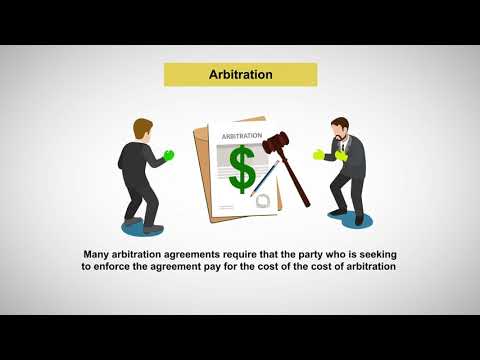
Arbitration can be more cost-effective than litigation, as it avoids the lengthy court processes. However, it can still incur significant costs, including fees for arbitrators and administrative expenses from the arbitral forum. Typically, the costs are shared between the parties, although some agreements may require the party enforcing the arbitration to bear the costs.
The scope of discovery in arbitration is generally more limited than in litigation. The rules governing discovery are determined by the arbitral forum, which may restrict the number of depositions, document requests, and interrogatories.
Arbitration hearings can vary in format. Some cases may involve parties submitting written statements and documents for the arbitrator's review, while others may include oral hearings where parties present evidence and arguments. The arbitrator acts as the trier of fact, and there are no juries involved.
Arbitrators are often experienced professionals, such as retired judges or attorneys. They are selected based on the rules of the arbitral forum, which may provide a list of approved neutrals. The decision-making process can involve a single arbitrator or a panel, with a majority vote typically sufficient to reach a conclusion.
While arbitration decisions are generally final, enforcing these awards can sometimes require additional legal action. If a party needs to enforce an arbitrator's decision, they may need to file a lawsuit unless the arbitration was part of an ongoing litigation where a motion to compel arbitration was granted.
Arbitration presents a faster and often more cost-effective method of dispute resolution compared to traditional litigation. While it has its limitations, such as reduced discovery and the difficulty of appealing decisions, it offers numerous practical advantages. Understanding the nuances of arbitration can help parties make informed decisions about how to resolve their disputes effectively.