This blog post explores the intricacies of Crown Court appeals, detailing the processes available for both defense and prosecution, the grounds for appeal, and the role of the Criminal Case Review Commission. It highlights key cases and legal principles that govern these appeals, providing a thorough understanding for readers.
Crown Court appeals are a critical aspect of the criminal justice system, allowing both defendants and the prosecution to challenge decisions made in serious criminal cases. This post delves into the various types of appeals available, the processes involved, and significant legal principles that govern these appeals.
When a case is heard in the Crown Court, there are two primary routes for appeal: defense appeals and prosecution appeals. Understanding these routes is essential for anyone studying criminal law.
Defense appeals can be categorized into two main types:
Conviction Appeal: This occurs when a defendant who has pleaded not guilty is found guilty by a jury. The defendant can appeal both the conviction and the sentence. If a defendant pleads guilty, they can only appeal the sentence.
Sentence Appeal: This type of appeal focuses solely on the sentence imposed by the Crown Court. Defendants can argue that the sentence is excessive or unduly harsh.
The CCRC plays a vital role in addressing potential miscarriages of justice. It can refer cases to the Court of Appeal if it believes that a miscarriage of justice has occurred, particularly when all other appeal avenues have been exhausted. This independent body investigates claims made by defendants or their families and can initiate a review if warranted.
The prosecution also has specific rights to appeal decisions made in the Crown Court, albeit with more limited grounds compared to the defense.
Appeal Against Acquittal: The prosecution can appeal if they believe that a judge's ruling led to an acquittal. This is governed by the Criminal Justice Act 2003.
Point of Law Appeals: The prosecution can appeal on points of law, particularly if they believe a legal misdirection occurred during the trial.
Appeal Against Sentence: The prosecution can appeal if they believe a sentence is unduly lenient, but they must seek permission from the Attorney General to do so.
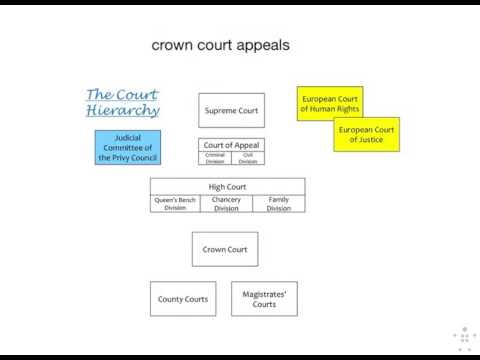
Both the defense and prosecution have the option to appeal to the Supreme Court after the Court of Appeal. However, this is only possible if there is a point of general public importance involved in the case. The Supreme Court's role is to review the case and provide clarity on significant legal issues.
Crown Court appeals are a complex but essential part of the criminal justice system, providing mechanisms for both defendants and the prosecution to seek justice. Understanding the types of appeals, the grounds for those appeals, and the roles of various legal bodies is crucial for anyone studying or working within the legal field. The importance of new evidence and the potential for retrials underscore the dynamic nature of the law and its commitment to ensuring fair outcomes in serious criminal cases.