This blog post explores the concept of interim measures in arbitration, detailing their purpose, types, and examples of how they function during proceedings before a final decision is made.
Arbitration and alternative dispute resolution (ADR) are essential mechanisms for resolving disputes outside of traditional court systems. One critical aspect of these processes is the concept of interim measures. This blog post delves into what interim measures are, their significance, and how they are implemented during arbitration proceedings.
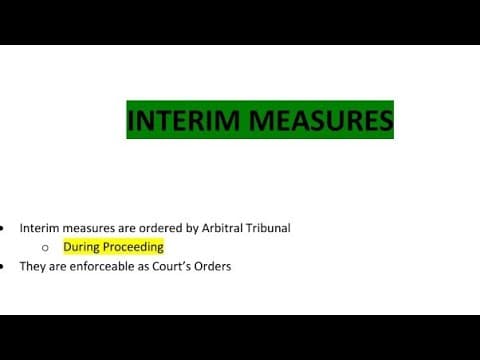
Interim measures refer to temporary actions taken by an arbitral tribunal or a court during the arbitration process before a final decision is reached. These measures are designed to protect the rights of the parties involved and ensure that the arbitration process can proceed effectively without any undue interference or harm.
Interim measures can take various forms, depending on the nature of the dispute and the specific needs of the parties. Some common types include:
In cases where the subject matter involves specific goods or property, an interim measure may involve appointing a receiver to take custody of the property. For example, if two parties are disputing ownership of a valuable asset, the tribunal may order that the asset be preserved until a final decision is made.
These orders can include directives to prevent a party from taking certain actions that could jeopardize the arbitration process. For instance, if one party is consuming resources that are the subject of the dispute, the tribunal may issue an order to halt such actions until the final ruling.
In cases involving minors or individuals deemed incapable of making sound decisions, the tribunal may appoint a guardian to represent their interests during the proceedings.
If there is a need to recover funds or assets that are part of the arbitration agreement, the tribunal can issue interim measures to facilitate this recovery process.
The implementation of interim measures occurs during the arbitration proceedings and is crucial for maintaining the integrity of the process. Here’s how it typically works:
To illustrate the concept of interim measures, consider a hypothetical dispute between two parties, A and B, over a piece of property. During the arbitration proceedings, Party A claims that Party B is unlawfully using the property. To prevent further misuse, the tribunal may issue an interim order prohibiting Party B from accessing the property until a final decision is made.
In another scenario, if there is a risk that valuable documents related to the arbitration might be destroyed, the tribunal could order that these documents be preserved and not altered or destroyed during the proceedings.
Interim measures play a vital role in arbitration and alternative dispute resolution by providing a framework for addressing urgent issues that arise during proceedings. They ensure that the rights of the parties are protected and that the arbitration process can continue smoothly. Understanding these measures is essential for anyone involved in arbitration, as they can significantly impact the outcome of a dispute.
As we continue to explore the intricacies of arbitration in future discussions, the importance of interim measures will remain a key topic in ensuring fair and effective dispute resolution.