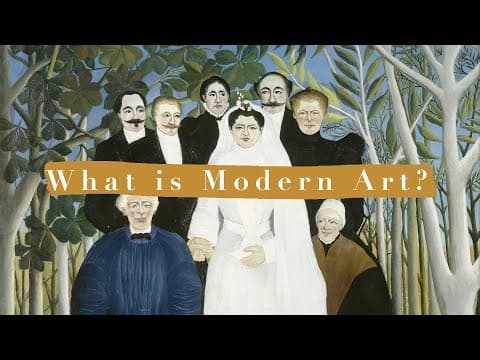
Modern art, spanning from the 1860s to the 1970s, represents a revolutionary shift in artistic expression, characterized by experimentation and abstraction. This blog post explores its definition, major movements, and the distinction between modern and contemporary art.
Have you ever wondered what modern art really means? Modern art has challenged traditional art forms and brought us some of the most innovative and inspiring artworks. In this post, we will explore the definition of modern art and provide a guide to the major art movements within this genre. By the end, you will have a better understanding of what modern art is and how it has shaped the art world.
Modern art is defined as artworks produced between the 1860s to the 1970s. The birth of modernism and modern art can be traced back to the Industrial Revolution. This movement has lasted longer than any other art movement in history. While the beginnings of modern painting cannot be clearly demarcated, there is general agreement that it started in the 19th century in France.
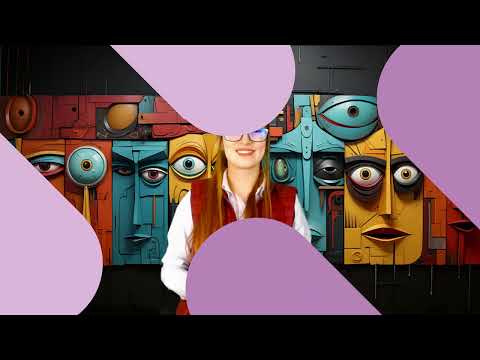
Modern artists experimented with new ways of seeing and fresh ideas about the nature of materials and the functions of art. The term "modern art" is usually associated with works in which the traditions of the past have been set aside in a spirit of experimentation. A tendency toward abstraction is characteristic of much of modern art, as artists challenged the idea that art must represent the world in reality. They experimented with expressive use of color, new techniques, and non-traditional materials, which are now considered symbols of modern art.
From about the 1890s onward, a succession of varied movements and styles arose that are the core of modern art and represent one of the high points of Western visual culture. The major modern art movements include:
Modern art is characterized by a spirit of innovation and experimentation, as artists sought to break free from traditional modes of expression and explore new forms of artistic communication. A notable example is Marcel Duchamp, who popularized the use of readymade objects through his iconic artworks, which he essentially created out of trash.
Most modern artists utilized vivid colors in their works. The movements that made the most use of this technique were Fauvism and Expressionism, where artists employed color to emphasize their emotions and convey deeper meanings. In contrast to earlier artists, who often used painting and sculpture to promote religion, revisit mythology, or celebrate the human form, modern artists frequently used their work to make statements about contemporary society. Many drew inspiration from the present day rather than delving into the past.
A common question arises regarding the difference between modern and contemporary art. Due to the experimental nature and overlapping themes of both genres, they are often confused. However, the distinction is quite simple: modern art refers to art created from the 1860s up to the 1970s, while contemporary art refers to art made in the present day.
Both modern and contemporary art can be characterized as revolutionary. Contemporary art focuses on societal influence, with society as the major focus, while modern art embodies individuality and seeks the purity of art.
What do you think about modern art? We would love to hear your opinion. Please feel free to share your thoughts in the comments below. Thank you for reading!