This blog post explores the assessment of damages for personal injuries in tort law, focusing on the interests of plaintiffs and defendants, the types of damages available, and the legal principles governing these assessments, particularly in the context of Australian law.
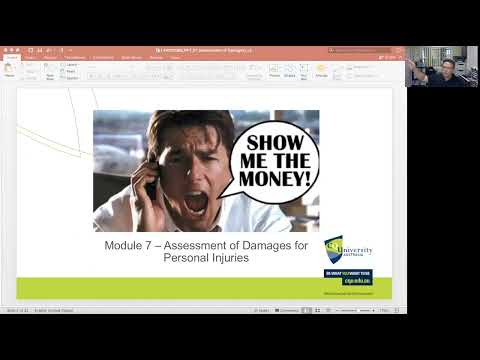
In this lecture, we delve into the assessment of damages for personal injuries within the framework of tort law. Having previously discussed the elements of negligence necessary for a plaintiff to succeed in a tort claim, we now turn our attention to the critical question: how much compensation can a plaintiff expect to recover? This inquiry is vital for both plaintiffs and defendants, as it influences legal strategies and potential settlements.
The assessment of damages is not merely a dry legal topic; it is fundamentally about financial recovery for injuries sustained. Plaintiffs are keen to understand the potential compensation they might receive, while defendants are equally concerned about their financial liabilities. In Australia, many tort cases are resolved outside of court through negotiations or alternative dispute resolution methods, making the understanding of potential damages crucial for all parties involved.
Law firms play a significant role in this process, particularly under "no win, no fee" arrangements. These arrangements allow clients to pursue claims without upfront costs, with the understanding that fees will be paid only if the case is successful. Law firms must assess the likelihood of success and the potential damages to determine whether to take on a case. This involves hiring medical experts to evaluate injuries and rehabilitation costs, which can be substantial.
When assessing damages, several factors come into play:
Damages are typically classified into two categories:
A crucial principle in tort law is the "once and forever" rule, which states that damages must be awarded as a lump sum. Once a plaintiff receives compensation, they cannot claim further damages for the same injury, even if complications arise later. This principle emphasizes the need for accurate and comprehensive assessments at the time of the award.
In Australia, state parliaments have intervened to set limits on the recovery of damages for personal injuries through legislation such as the Civil Liability Act 2003 in Queensland. This act prescribes ceilings on certain types of damages, particularly for non-pecuniary losses, which contrasts with the more lenient approach seen in jurisdictions like the United States.
Several landmark cases illustrate the complexities of damages assessment:
The assessment of damages for personal injuries in tort law is a multifaceted process that requires careful consideration of various factors, including the nature of the injuries, the financial status of the plaintiff, and the legal principles governing damages. Understanding these elements is essential for both plaintiffs and defendants as they navigate the complexities of tort claims. As we have seen, the legal landscape in Australia imposes specific limitations and frameworks that shape the outcomes of these cases, making it imperative for legal practitioners to stay informed and prepared.
By grasping the nuances of damages assessment, legal professionals can better advocate for their clients and ensure that justice is served in the realm of personal injury claims.