This blog post provides a detailed explanation of the Crown Court trial process, including the roles of the judge, prosecution, defense, and jury, as well as the procedures followed during a trial, from jury selection to verdict announcement.
The Crown Court plays a crucial role in the judicial system, handling serious criminal cases in the UK. This post aims to provide a detailed overview of the trial process within the Crown Court, outlining the responsibilities of various participants and the steps involved in reaching a verdict.
At the heart of the Crown Court is the judge, whose primary responsibility is to interpret and uphold the law. The judge oversees the trial, ensuring that legal procedures are followed and that justice is served. They also have the discretion to determine whether the trial will be open to the public.
Several key figures are present during a trial:
The trial begins with the selection of the jury. Once the jury is sworn in, the judge addresses them, emphasizing their role in deciding the defendant's guilt based solely on the evidence presented, rather than on legal interpretations.
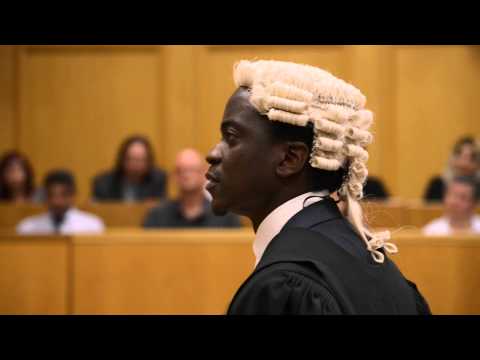
Following the jury's swearing-in, the judge introduces themselves and outlines the roles of the prosecution and defense barristers. The prosecution barrister then presents the case against the defendant, detailing the charges and the evidence that will be provided to support these claims.
The prosecution calls its witnesses to the stand, beginning with a process known as examination in chief. During this phase, the prosecution barrister asks questions to elicit evidence from the witnesses. After the prosecution's questioning, the defense has the opportunity to cross-examine the witnesses, challenging their statements and credibility.
Once cross-examination is complete, the prosecution may conduct a re-examination to clarify any points raised during the defense's questioning. This process continues until all prosecution witnesses have been heard.
After the prosecution has presented its case, the defense barrister introduces their witnesses, following the same procedure of examination in chief, cross-examination, and re-examination. Once all defense witnesses have testified, the defense concludes its case.
Both barristers then deliver their closing speeches. The prosecution outlines its case, aiming to persuade the jury of the defendant's guilt, while the defense argues for the defendant's innocence. The judge provides the jury with legal directions, explaining the necessary criteria for a guilty verdict and reminding them of the principle that if there is any doubt, they must find the defendant not guilty.
After receiving instructions from the judge, the jury retires to deliberate. Once they reach a decision, they return to the courtroom, where the foreperson announces the verdict. If the jury finds the defendant not guilty, the defendant is released. Conversely, if the verdict is guilty, the judge will consider a statement in mitigation before sentencing.
In straightforward cases, sentencing may occur immediately after the verdict. However, in more complex cases, the judge may postpone sentencing to consider additional factors, such as contentious issues or the defendant's background, which could influence the sentence.
The Crown Court trial process is a structured and methodical approach to justice, involving various legal professionals and a jury of peers. Understanding this process is essential for appreciating how the legal system operates and the safeguards it provides to ensure fair trials. The roles of the judge, prosecution, defense, and jury are all integral to upholding the rule of law and delivering justice in serious criminal cases.