This blog post provides a comprehensive overview of tort law, focusing on the three main areas: intentional torts, negligence, and strict liability. It explains the differences between these categories, the evolution of tort law, and the procedural mechanisms for wrongful death and survival actions.
Tort law is a crucial area of legal study that addresses civil wrongs and the compensation for damages caused by those wrongs. This blog post provides an overview of the three main areas of tort law: intentional torts, negligence, and strict liability. Before diving into these categories, it is essential to understand the foundational aspects of tort law and its variations across different jurisdictions.
Tort law is primarily a matter of state law, meaning that it varies significantly from one state to another. Most of tort law has evolved through individual court decisions, where published opinions become precedents for future cases within the same jurisdiction. This common law subject often leads to generalizations, but it is important to recognize that there are jurisdictional splits characterized by majority and minority approaches.
In tort law, courts may look to precedents from other jurisdictions, especially in cases of first impression where no existing precedent is available. Early tort law in the United States borrowed heavily from English law, and American courts often cite early English cases. Additionally, courts may refer to something called a "restatement."
A restatement is a summary of case law published by the American Law Institute (ALI), which attempts to synthesize the body of common law into a set of rules. While restatements are not binding authority, they are highly persuasive and reflect the consensus of the American legal community. For torts, the second restatement is the most relevant, although the third restatement addresses specific areas like products liability.
Tort law is not a single cause of action but is divided into several types of claims, categorized into three main types of tort liability: intentional torts, negligence, and strict liability. Each category is defined by the nature of the defendant's actions.
Intentional torts involve civil liability for harms caused deliberately by the defendant. Examples include:
Each of these actions represents an intentional invasion of the plaintiff's legally protected interests, such as personal safety or property rights.
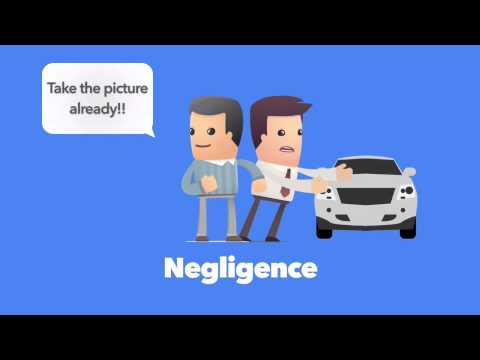
Negligence is the most common basis for tort suits and refers to liability for harms caused by carelessness rather than intentional actions. For instance, if a defendant accidentally backs into a plaintiff while posing for a picture, this may constitute negligence. The key elements of negligence include:
Strict liability differs from intentional torts and negligence in that it assigns liability regardless of fault or intent. This applies in exceptional situations where the law holds the defendant liable for damages caused by their activities, even if they were careful. An example is a store owner selling a defectively manufactured product that injures a consumer. The law assigns the costs of such consequences to the defendant, regardless of their level of care.
In addition to the three main types of tort liability, there are procedural mechanisms for bringing claims when a victim of a tort dies. These are known as wrongful death or survival actions. Historically, common law had restrictive rules regarding the rights of victims and their families when a tortfeasor died. However, modern statutes allow:
These actions function similarly to other tort claims, allowing plaintiffs to seek compensation for losses resulting from the tortious conduct.
For each cause of action in tort law, courts have established basic elements that a plaintiff must demonstrate to establish liability, known as the prima facie case. For example, in a battery claim, the plaintiff must show:
Additionally, defendants can raise affirmative defenses against tort claims, such as consent or self-defense in intentional torts, and assumption of risk or contributory negligence in negligence cases.
Understanding tort law is essential for navigating legal disputes involving civil wrongs. By categorizing torts into intentional torts, negligence, and strict liability, we can better comprehend the complexities of liability and the legal mechanisms available for seeking justice. As tort law continues to evolve, staying informed about its principles and applications remains crucial for both legal practitioners and the general public.