This blog post provides a comprehensive overview of tort law, distinguishing it from criminal law and contract law, and explaining its implications for civil liability, including examples and key concepts.
Torts represent a crucial area of law that deals with civil wrongs, providing a framework for individuals to seek compensation for injuries caused by the wrongful acts of others. This post will explore what torts are, how they differ from criminal cases and contract law, and the implications of these distinctions.
A tort is defined as a wrongful act, other than a breach of contract, that results in injury to another party's person, property, dignity, or reputation. Torts are recognized by statute or common law as legitimate grounds for liability, essentially forming the law of civil wrongs.
Understanding tort law requires clarity on several key distinctions:
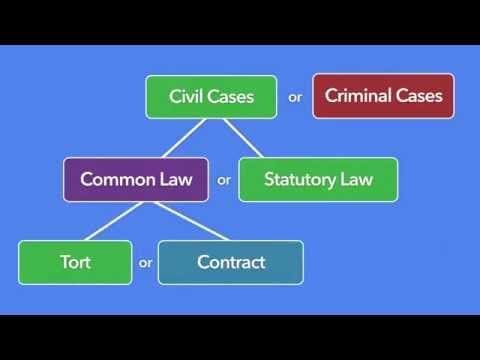
Tort law primarily deals with civil liability, contrasting sharply with criminal law. Here are the main differences:
Tort law can arise from two main sources: common law and statutory law.
The interaction between common law and statutory law is significant. In many jurisdictions, common law principles have been codified into statutes, which judges must follow. Conversely, legislatures can also reject judicially established rules, leading to a dynamic relationship between the two.
Another important distinction within civil liability is between torts and contracts. While tort law governs situations where no prior agreement exists, contract law pertains to the enforcement of agreements between parties.
It is also possible for a plaintiff to combine tort and contract claims in a single lawsuit. For instance, if a defective product causes injury, the injured party might sue for both breach of warranty (contract) and negligence (tort).
In summary, torts are wrongful acts that lead to civil liability, distinct from criminal actions and contractual disputes. Understanding these distinctions is essential for navigating legal claims and recognizing the rights and responsibilities of individuals in civil society. Torts provide a framework for addressing grievances and ensuring accountability for wrongful actions, ultimately contributing to the maintenance of order and justice in interpersonal relationships.