Nigeria, the most populous country in Africa, is a vibrant nation known for its rich cultural diversity, economic power, and significant contributions to cinema and technology. This blog post explores ten intriguing facts about Nigeria, including its population growth, linguistic diversity, economic landscape, and cultural significance.
Nigeria, often referred to as the Giant of Africa, is a country rich in culture, diversity, and economic potential. With a population exceeding 200 million, it stands as the most populous nation on the continent and the seventh most populous in the world. In this blog post, we will explore ten interesting facts about Nigeria that highlight its unique characteristics and contributions to the world.
Nigeria is not only the most populous country in Africa but also one of the fastest-growing populations globally. From 123 million inhabitants in 2000, the population surged to approximately 200 million by 2020. Projections suggest that by 2050, Nigeria's population could reach around 391 million, making it the third most populous country in the world. Factors contributing to this growth include early marriages and a high birth rate of about 37 births per 1,000 people.
Nigeria is home to over 500 indigenous languages, classified into two major language families: Afro-Asiatic and Niger-Congo. While English serves as the official language, regional languages such as Hausa, Yoruba, and Igbo are widely spoken. Nigerian English, a unique variant influenced by British and American English, features distinct phrases and expressions. Additionally, sign language is recognized as an official language for the deaf community.
As of January 2021, Nigeria boasted around 33 million active social media users, with WhatsApp being the most popular platform, followed by Facebook, YouTube, and Instagram. The rapid adoption of technology has transformed social media into a vital tool for self-expression among Nigerians, with users spending significant time online.
Aliko Dangote, with an estimated net worth of $12.1 billion, is Africa's richest man. His business empire, the Dangote Group, is one of Nigeria's largest private sector employers and a significant player in various industries, including cement and sugar refining. Dangote's journey began with a $3,000 loan to import agricultural products, which he quickly repaid, leading to the establishment of a multi-billion dollar corporation.
Nigeria is the largest exporter of oil in Africa, with petroleum products accounting for approximately 92% of its exports. The economy is primarily driven by agriculture, telecommunications, manufacturing, and the film industry. Despite having vast natural gas reserves, Nigeria struggles with political instability and technological limitations that hinder its ability to fully utilize these resources.
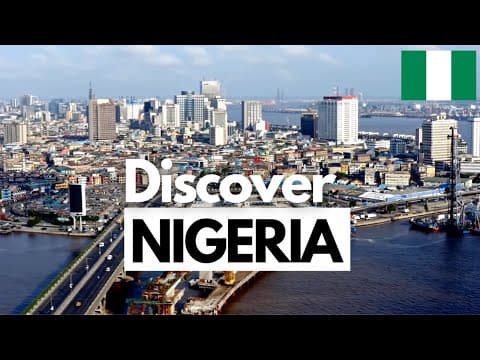
Lagos, with a population of 14 million, is Nigeria's largest city and serves as the main financial, cultural, and educational hub. It attracts both domestic and foreign investors due to its significant market potential. However, Lagos also faces challenges such as traffic congestion and pollution, with a substantial portion of its population living in slums.
Nollywood, the Nigerian film industry, is the second largest in the world after Bollywood. It produces an impressive number of films daily, catering to an audience of millions both in Nigeria and across Africa. Recent collaborations with global streaming services like Netflix have further expanded Nollywood's reach, showcasing its cultural narratives to a worldwide audience.
Nigeria gained independence from British rule on October 1, 1960, and subsequently joined the British Commonwealth. This association provides various benefits, including visa-free travel to the UK and opportunities for education and business. The Commonwealth Charter emphasizes values such as democracy and human rights, which Nigeria adheres to as a member.
As of 2018, Nigeria's life expectancy was reported at 55.2 years, ranking it 178th globally. Factors contributing to this low life expectancy include prevalent diseases such as influenza, tuberculosis, and HIV/AIDS, as well as accidents and road traffic incidents. However, projections suggest that life expectancy could rise to 74.8 years by 2040.
Nigeria is a melting pot of cultures, with over 250 ethnic groups. The four dominant groups are the Yoruba (20.6%), Hausa (18.3%), Igbo (14.8%), and Fulani (7.9%). Each group has its own language and cultural practices, contributing to Nigeria's rich tapestry of traditions and social dynamics.
Nigeria is a country of immense potential and diversity, characterized by its vibrant population, rich cultural heritage, and significant economic contributions. Understanding these ten fascinating facts provides a glimpse into the complexities and strengths of this remarkable nation, often referred to as the Giant of Africa.