Adam Sandler discusses his approach to building AI-powered knowledge bases, or second brains, for businesses. He explains the challenges of data organization, the benefits of using markdown files, and how this service can lead to additional projects. Sandler outlines the seven types of notes essential for a knowledge base and shares insights on pricing and maintaining these systems for clients.
In the rapidly evolving world of artificial intelligence, one of the most pressing challenges businesses face is managing their data effectively. Adam Sandler from The Bible Edge has found a lucrative solution to this problem by creating AI-powered knowledge bases, commonly referred to as second brains. In this blog post, we will explore Sandler's approach, the structure of his service, and how he successfully sells these systems to clients.
Every AI project often hits a wall when it comes to data organization. Businesses typically store their information in various places: Google Drive, local machines, or even in the minds of employees. This fragmentation leads to inefficiencies and complicates the use of AI tools. Sandler identified this issue and decided to tackle it head-on by offering a service that consolidates and organizes this data into a cohesive knowledge base.
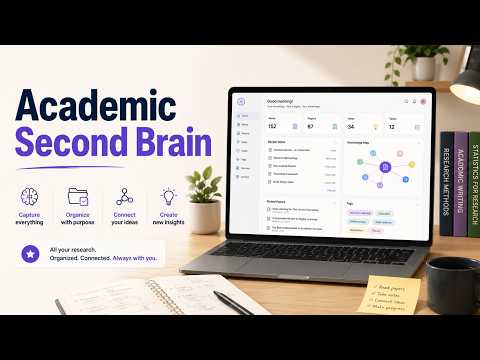
A second brain is essentially an AI-powered knowledge base that helps businesses manage their information more effectively. Sandler builds these systems using simple markdown files, avoiding complex tools like Obsidian or vector databases. This simplicity not only makes the setup process easier but also allows for scalability and adaptability as the client's needs evolve.
Sandler emphasizes that anyone can build a starter knowledge base that can grow over time. By the end of his sessions, clients will have a foundational system that is easily repeatable for other clients. Here are the seven types of notes that Sandler recommends including in a knowledge base:
Sandler charges around $5,000 for building a knowledge base, with additional monthly maintenance fees. He suggests that clients will quickly recoup their investment through the efficiencies gained from having a centralized knowledge base. This pricing model not only reflects the value provided but also positions the service as an essential investment for businesses looking to leverage AI effectively.
Once established, a knowledge base requires ongoing maintenance to ensure it remains relevant and useful. Sandler recommends implementing two key skills:
Adam Sandler's approach to building AI-powered knowledge bases offers a compelling solution for businesses struggling with data management. By simplifying the process and focusing on markdown files, he provides a service that not only enhances efficiency but also opens up new opportunities for future projects. As the demand for AI solutions continues to grow, the concept of a second brain as a service is likely to become increasingly popular among businesses looking to streamline their operations and leverage their data effectively.