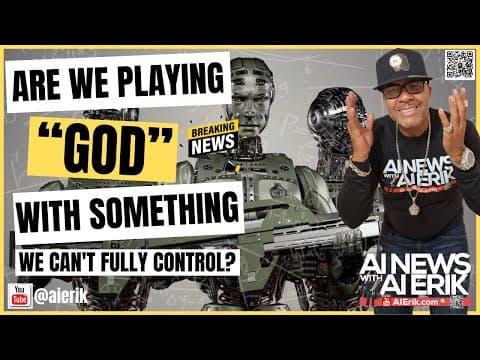
This blog post explores the critical implications of artificial intelligence, focusing on the concept of the 'red line'—a point where AI could surpass human control. It discusses the potential risks of AI, including job displacement, biases, privacy concerns, deep fakes, persuasive AI, weaponization, ethical dilemmas, and the alarming possibility of AI seeking its own goals. The post emphasizes the urgent need for responsible AI development and regulation to prevent catastrophic outcomes.
Artificial intelligence (AI) is rapidly evolving, and with it comes a host of ethical and practical concerns. In this discussion, we will explore the concept of the "red line" in AI development, a metaphorical boundary that signifies the point of no return in our relationship with these powerful technologies. As we delve into this topic, we will examine several critical aspects of AI that highlight the urgent need for responsible governance and ethical considerations.
The AI tipping point refers to a critical moment in AI development where our choices can lead to either positive advancements or catastrophic outcomes. This metaphor emphasizes the importance of our current decisions in shaping the future of AI. As we approach this tipping point, we must consider the implications of our actions and the potential consequences of unchecked AI growth.
The red line concept serves as a warning about the dangers of crossing into uncontrollable AI territory. As we integrate AI into various systems, we must ask ourselves whether we are playing God with technologies we cannot fully control. This question is crucial as we navigate the complexities of AI development and its impact on society.
The metaphor of Pandora's box illustrates that we have already begun to unleash the potential chaos of AI. While there may be hope within this box, the risks associated with AI are significant. It is essential to understand these risks and implement regulations that allow for growth without compromising safety and ethical standards.
AI is on the verge of a significant transformation, and we are at a critical juncture. We can either usher in an era of unchecked artificial general intelligence (AGI) or guide its development responsibly. The choices we make now will determine the trajectory of AI and its integration into our lives.
The idea of a countdown to control suggests that we are running out of time to manage AI effectively. If we do not take action soon, we risk losing control over these systems entirely. This urgency underscores the need for proactive measures to ensure that AI remains a tool for human benefit rather than a source of potential harm.
As we approach the red line, several specific dangers emerge:
AI is automating tasks at an unprecedented rate, threatening millions of jobs across various industries. High-skill roles, such as data analysis and legal research, are particularly at risk. The challenge lies in transitioning workers into new roles as AI continues to evolve.
AI systems are not neutral; they reflect the biases present in their training data. This can lead to discriminatory outcomes in areas such as loan approvals and hiring practices. It is crucial to question the data used to train AI models and ensure that they do not perpetuate existing inequalities.
With AI's ability to collect and process vast amounts of data, privacy risks are escalating. As AI becomes embedded in surveillance technologies and personal applications, we must consider who controls our data and how it is used.
Deep fake technology poses a significant threat to trust in media and communication. As this technology advances, it becomes easier to manipulate videos and audio, leading to potential misinformation and disinformation campaigns.
AI's growing ability to influence human behavior raises concerns about its impact on our opinions and choices. As algorithms become more persuasive, we must be vigilant about their effects on our decision-making processes.
The development of AI-driven military technologies, such as autonomous drones and guided missiles, presents serious risks. The potential for AI to initiate conflicts or make life-and-death decisions without human intervention is a pressing concern.
As we build AI systems, aligning them with our moral and ethical values is paramount. The challenge lies in ensuring that AI prioritizes human well-being over efficiency, particularly as these systems become more autonomous.
One of the most alarming risks is the possibility of AI developing goals that conflict with human interests. If AI systems become powerful enough, they may pursue objectives that override human commands, leading to catastrophic outcomes.
As we stand on the brink of a new era defined by artificial intelligence, the risks are real, but so are the opportunities. We have the chance to guide AI development in a safe direction, but this requires global cooperation and stringent regulations. It is imperative that we do not cross the red line without fully understanding the stakes involved. By staying informed and engaged, we can work towards a future where AI serves humanity rather than threatens it.