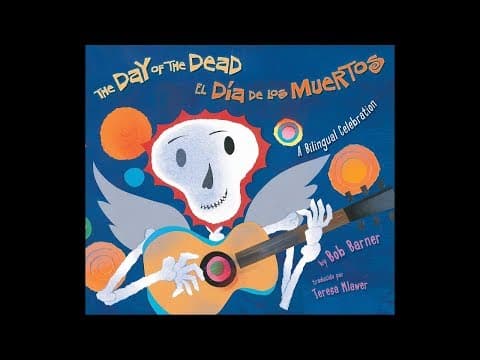
El Dia de los Muertos, or the Day of the Dead, is a vibrant celebration in Mexico and parts of Latin America honoring deceased loved ones. From October 31 to November 2, families prepare special foods, create altars, and engage in joyful festivities to remember and welcome the spirits of the departed.
El Dia de los Muertos, or the Day of the Dead, is a rich and colorful celebration that honors ancestors and loved ones who have passed away. This bilingual celebration, deeply rooted in Mexican culture, is observed from October 31st to November 2nd each year. It is a time for families to come together, remember their deceased, and celebrate life through various traditions and rituals.
El Dia de los Muertos is not a day of mourning but rather a joyful celebration of life and death. It is a time to reflect on the lives of those who have passed, to honor their memories, and to celebrate the impact they had on the lives of the living. The holiday blends indigenous traditions with Spanish influences, creating a unique cultural experience that resonates with millions.
In the days leading up to El Dia de los Muertos, families prepare by baking or buying special foods. One of the most iconic treats is pan de muerto, or bread of the dead, which is a sweet bread baked specifically for this occasion. This bread often contains a tiny skeleton doll baked inside, and the person who finds it in their piece is said to have a wish granted.
Another popular item is sugar skulls, or calaveras de azúcar, which are decorated in bright colors and can be eaten at the end of the celebration. These sugar skulls symbolize the sweetness of life and the joy of remembering loved ones.
Families also gather the favorite foods of their deceased relatives, with tamales being a common choice. Tamales are cornmeal cakes filled with meat, wrapped in corn husks, and steamed to perfection.
A central aspect of El Dia de los Muertos is the creation of altars, or ofrendas, dedicated to the departed. These altars are adorned with marigolds, known as cempasúchil, which are believed to attract the spirits of the deceased. Candles are lit to guide the spirits home, and sweet-smelling incense is burned to create a welcoming atmosphere.
Families often include photographs, personal items, and favorite foods of the deceased on the altars, creating a personalized tribute that reflects the lives of those being honored.
The celebration officially begins on the evening of October 31st and continues until November 2nd. On the night of November 2nd, families visit cemeteries to honor their loved ones. They spread marigold petals, burn incense, and light candles at gravesites to welcome the spirits back to the celebration.
During these gatherings, families engage in joyful activities such as dancing, singing, and sharing memories. It is a time for storytelling and reminiscing, where laughter and tears coexist as families celebrate the lives of those they have lost.
El Dia de los Muertos is a profound celebration that emphasizes the importance of remembering and honoring those who have passed away. It is a time for families to come together, celebrate life, and create lasting memories. Through food, music, and rituals, this holiday serves as a reminder that death is not an end but a continuation of the bond between the living and the departed. Millions of people across Mexico and parts of Central and South America participate in this vibrant celebration, ensuring that the memories of their loved ones live on.