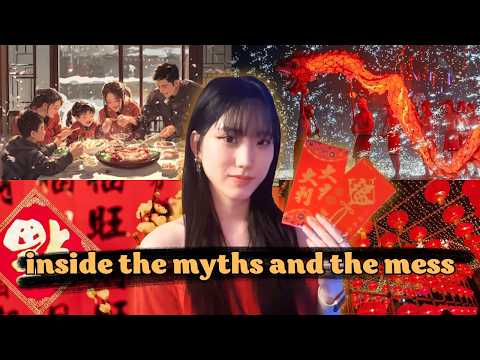
This blog post explores the rich traditions of Chinese New Year, its historical significance, and the ongoing debate over the use of 'Lunar New Year' versus 'Chinese New Year'. It delves into the origins of the celebration, the cultural practices involved, and the perspectives surrounding the naming controversy.
Chinese New Year, also known as the Spring Festival, is a time of celebration for over 2 billion people across various cultures. However, in recent years, a debate has emerged regarding the terminology used to refer to this festive occasion. Should we say "Lunar New Year" or "Chinese New Year"? This blog post will explore the rich traditions associated with the New Year in China, its historical roots, and the nuances of the naming controversy.
The discussion surrounding the terms "Lunar New Year" and "Chinese New Year" has gained traction over the past decade. Traditionally, the celebration was referred to as Chinese New Year, but the term Lunar New Year has become more prevalent as a way to be inclusive of the various East Asian and Southeast Asian cultures that also celebrate this time of year.
Proponents of the term "Lunar New Year" argue that it promotes inclusivity. They point out that while the celebration has its origins in China, many countries, such as Korea and Vietnam, have developed their own unique traditions. Using the term Lunar New Year acknowledges these diverse customs and avoids misrepresentation.
On the other hand, many Chinese people feel strongly about retaining the term "Chinese New Year". They argue that:
This debate highlights the complexities of cultural identity and the importance of recognizing the distinct traditions that exist within the broader celebration.
The origins of Chinese New Year can be traced back over 3,500 years to the Shang Dynasty. The festival is steeped in folklore, with various traditions passed down through generations. One of the most notable aspects of the celebration is the significance of the color red, which is believed to bring prosperity and ward off evil spirits.
Chinese New Year does not have a fixed date; it varies each year based on the lunisolar calendar. This calendar combines lunar and solar elements, ensuring that the New Year aligns with the seasons, which is crucial for agricultural societies. The Chinese also follow a 60-year cycle, with each year represented by one of twelve zodiac animals.
Each year in the Chinese calendar is associated with a specific zodiac animal, which influences cultural beliefs and practices. For instance, 2025 will be the Year of the Snake. The story of how these animals were chosen is rooted in Chinese mythology, involving a race organized by the Jade Emperor.
In the lead-up to New Year's Eve, families engage in thorough cleaning of their homes to sweep away bad luck and make room for good fortune. This period is marked by a significant increase in travel, as families reunite for the celebrations.
On New Year's Eve, families gather for a festive dinner featuring traditional dishes that vary by region. In the south, sweet rice cakes are popular, while dumplings are favored in the north. Each dish carries symbolic meanings, such as rice cakes representing prosperity and dumplings symbolizing the crossing into a new year.
The celebration includes various customs, such as:
Chinese New Year is a time of joy, rich cultural significance, and deep-rooted traditions. While the naming controversy continues to spark debate, it is essential to recognize and respect the diverse customs that exist within this celebration. Whether one chooses to say "Lunar New Year" or "Chinese New Year," the spirit of the holiday remains a time for family, reflection, and hope for the year ahead. As we approach the Year of the Snake, may everyone be blessed with good health, fortune, and happiness.