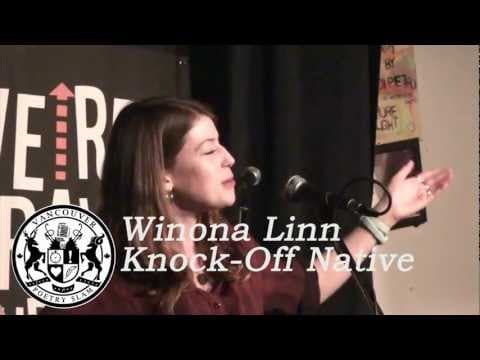
In a powerful reflection, Winona Linn addresses the hurtful stereotype of being called a 'knockoff Pocahontas.' She explores the complexities of identity, heritage, and the deep-seated issues surrounding Native representation, emphasizing the importance of understanding and respecting cultural histories.
In a poignant moment after a performance, Winona Linn recounts an encounter where she was labeled a "knockoff Pocahontas." This comment, steeped in ignorance, sparked a deep reflection on identity, heritage, and the painful stereotypes that persist in society.
Linn begins by addressing the inaccuracies of the insult. Pocahontas, a historical figure, was Powhatan, while Linn identifies as Aagy. This distinction highlights a broader issue: the lack of understanding and respect for the diverse cultures within Indigenous communities. She expresses frustration that the individual who insulted her would not recognize the difference, illustrating a common theme of cultural appropriation and misrepresentation.
The insult also reveals a misunderstanding of Pocahontas as merely a character from Disney, reduced to a pejorative figure who sings about animals and braids her hair. Linn emphasizes that Pocahontas was much more than this caricature; she was a person with a rich history and significance. Instead of perpetuating stereotypes, Linn wishes that the individual had engaged in a more meaningful dialogue about her heritage.
Linn reflects on the complexities of her identity, noting that her appearance does not conform to the stereotypical image of an Indigenous person. She mentions her hair color and skin tone, which do not fit the narrow perceptions held by some. This disconnect leads to a broader conversation about how society often judges individuals based on superficial traits rather than understanding their true identity and experiences.
The narrative takes a deeper turn as Linn discusses the historical context of Indigenous peoples in North America. She points out that Columbus Day, often celebrated, marks a day of mourning for many, particularly for those descended from the Taino people of Puerto Rico. This acknowledgment of history is crucial in understanding the ongoing struggles faced by Indigenous communities, including issues of land ownership and cultural erasure.
Linn poignantly describes the dislocation experienced by her people, the Msaki, who have been moved from their ancestral lands. She contrasts the concept of owning land with the reality that many Indigenous peoples cannot claim their homelands, which are often buried under urban development. This loss of land is not just a physical displacement but a profound emotional and cultural wound.
The encounter with the individual who called her a "knockoff Pocahontas" serves as a reminder of the racism that Indigenous peoples face. Linn reflects on the painful legacy of such insults, which contribute to higher suicide rates among Indigenous youth and the existence of separate cemeteries for children in Canadian reserves. These statistics are not just numbers; they represent lives lost and the ongoing trauma within these communities.
Despite the hurtful comments, Linn asserts her self-worth and pride in her identity. She describes herself as a "white-skinned green-eyed red-blooded Msaki princess," emphasizing that her value is not determined by the derogatory words of others. This declaration of self-acceptance is a powerful counter to the racism she encounters, showcasing resilience in the face of adversity.
Winona Linn's experience serves as a powerful reminder of the importance of understanding and respecting cultural identities. Her reflections challenge us to confront our biases and engage in meaningful conversations about heritage and representation. By acknowledging the complexities of identity and the historical context of Indigenous peoples, we can begin to dismantle the stereotypes that persist in our society. In doing so, we honor the rich tapestry of cultures that make up our world and recognize the strength and resilience of those who have been marginalized.