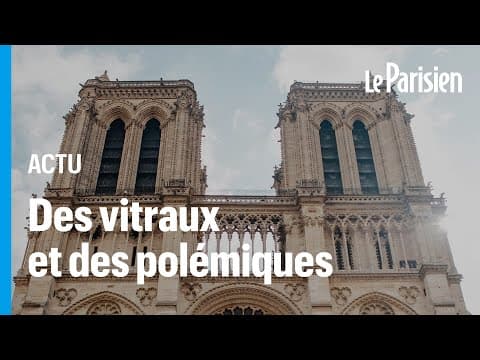
The decision to replace intact 19th-century stained glass windows at Notre-Dame de Paris with modern designs has sparked significant controversy, echoing historical debates over the cathedral's artistic integrity. This blog explores the background of the current project, the reactions from the public and experts, and the historical context of similar controversies.
The iconic Notre-Dame de Paris, often referred to as the "old lady," was devastated by a fire on April 15, 2019. As France mourned the loss, plans for the cathedral's restoration began to take shape. With the reopening scheduled for December 8, 2024, a contentious decision has emerged: the replacement of intact 19th-century stained glass windows with modern creations by contemporary artists.
French President Emmanuel Macron is spearheading the initiative to infuse the cathedral with a 21st-century identity. The project aims to replace the existing stained glass windows, which were not damaged by the flames, with new designs by selected artists. On September 4, 2023, a second round of artist selections took place, featuring notable figures such as Daniel Buren, known for his striking columns at the Palais Royal.
However, this decision has not been without its critics. The National Commission for Heritage and Architecture issued a negative opinion on the replacement of the windows designed by architect Eugène Viollet-le-Duc, which has sparked outrage among heritage enthusiasts.
The proposal to replace the stained glass windows has ignited a significant backlash from the public. A petition opposing the project has garnered nearly 160,000 signatures, reflecting widespread discontent among those who cherish France's cultural heritage. Critics argue that the cathedral's restoration should maintain its historical integrity, especially since the reconstruction of other elements, such as the spire and framework, has been done identically to the original.
This is not the first time that the modernization of Notre-Dame's stained glass has stirred controversy. A historical parallel can be drawn to 1935 when the stained glass windows designed by Eugène Viollet-le-Duc were deemed too dull for the cathedral. Louis Barrier, a master glassmaker of the Art Deco period, proposed replacing them with more vibrant designs. The Historical Monuments Commission approved this change, and by 1938, Barrier's windows were installed.
However, the new windows faced immediate backlash, with newspapers criticizing their aesthetic. As World War II broke out in 1939, the newly installed windows were removed for safekeeping, while the original windows were reinstalled after the war, remaining in place until the 2019 fire.
Today, opponents of the current project question why the intact windows of Viollet-le-Duc should be replaced when the rest of the cathedral has been restored to its original state. One proposed solution from petition author Didi Rckner suggests placing the new creations in the north tower, where windows were lost in the fire. This would preserve the historical windows in their original context while allowing for modern artistic expression.
As the debate continues, the words of an artist involved in the project resonate: "Restoring a building is not just about maintaining, repairing, or recreating; it is about restoring it to a complete state that may never have existed at any given moment." This statement invites reflection on the nature of restoration and the balance between preserving history and embracing modernity.
The future of Notre-Dame's stained glass windows remains uncertain, but the discussions surrounding their replacement highlight the ongoing struggle to honor the past while looking toward the future.