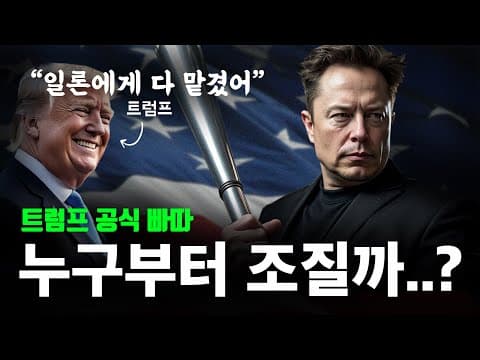
This blog post explores the significant influence of Elon Musk on the future of technology amidst the political landscape shaped by Donald Trump. It discusses the dynamics between big tech leaders, the implications of Trump's potential presidency, and how Musk's strategies could reshape the tech industry and global relations.
In recent discussions surrounding the intersection of technology and politics, Elon Musk has emerged as a pivotal figure. His influence is not just limited to the tech industry but extends into the political realm, particularly as we consider the implications of a potential Trump presidency. This post delves into the dynamics of big tech, the strategies employed by Musk, and the broader implications for the future of technology.
Elon Musk's role in shaping the future of technology is becoming increasingly apparent. As the leader of several major tech companies, his decisions and strategies are closely watched by industry insiders and the public alike. The recent interactions between Musk and other big tech leaders, including those from Apple, Google, Microsoft, and Amazon, indicate a shift in the landscape. Despite past tensions, there seems to be a newfound willingness to collaborate, suggesting that Musk's influence is being recognized across the board.
The political climate surrounding Donald Trump is complex, especially as it relates to big tech. Many in the tech industry view Trump as a potential threat, yet Musk appears to be positioning himself as a bridge between the tech world and the political sphere. Trump's approach to technology and business is characterized by a focus on economic growth, which aligns with Musk's vision for innovation and expansion.
Mark Zuckerberg's recent actions indicate a strategic pivot in response to the changing political landscape. By embracing a more business-friendly approach, Zuckerberg seems to acknowledge that aligning with Trump could yield long-term benefits for Meta. This shift reflects a broader trend among tech leaders who are recognizing the potential for profit in a Trump-led administration.
In contrast to Musk's bold strategies, Sam Altman, the CEO of OpenAI, has taken a more cautious approach. His recent congratulatory message to Trump was perceived as lacking sincerity, highlighting a divide in how tech leaders are engaging with the political landscape. Altman's reluctance to fully embrace Trump suggests a lingering apprehension about the implications of his presidency for the tech industry.
As the conversation around technology evolves, the role of artificial intelligence (AI) becomes increasingly significant. Musk's vision for AI is one of empowerment and innovation, contrasting with concerns about regulation and oversight. The potential for AI to drive economic growth and technological advancement is immense, but it also raises questions about governance and ethical considerations.
Trump's policies, particularly regarding tariffs and manufacturing, are set to reshape the landscape of American industry. The focus on revitalizing domestic manufacturing aligns with Musk's emphasis on innovation and technological advancement. As the U.S. seeks to strengthen its manufacturing base, the integration of AI and advanced technologies will be crucial.
The geopolitical landscape is also shifting in response to Trump's potential presidency. His approach to China, likening it to the Soviet Union, underscores a strategic focus on maintaining American dominance in technology and innovation. The collaboration between Musk and Trump could lead to significant advancements in technology, particularly in areas like AI and renewable energy.
As the U.S. navigates its relationship with China, strategic alliances will be essential. Musk's connections within the tech industry position him as a key player in fostering these alliances. The emphasis on collaboration over competition could lead to a more unified approach to addressing global challenges.
The intersection of technology and politics is entering a new era, with Elon Musk at the forefront. His influence on the future of technology, coupled with the potential for a Trump presidency, presents both challenges and opportunities. As the landscape continues to evolve, it is crucial for industry leaders and policymakers to adapt and innovate in response to the changing dynamics. The future is uncertain, but one thing is clear: the decisions made today will shape the technological landscape for years to come.