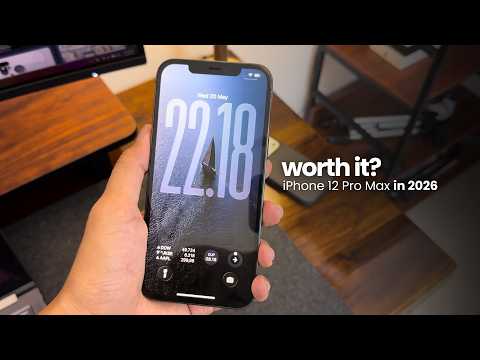
In 2026, the iPhone 12 Pro Max, once a groundbreaking device, shows its age with a 60Hz display, aging camera system, and limited AI capabilities. While still capable for daily tasks and some gaming, its hardware and software support are nearing their end. For users considering an upgrade, newer models like the iPhone 17 Pro offer significant improvements in performance, battery life, and camera technology.
The iPhone 12 Pro Max, released in 2020, was a significant milestone for Apple, introducing features like 5G connectivity, MagSafe, and a flat-edge design reminiscent of the iPhone 5 era. Now, in mid-2026, with the iPhone 18 series on the horizon, it's worth examining whether the 12 Pro Max remains a viable device or if it's time to consider upgrading.
The iPhone 12 Pro Max features a flat-edge stainless steel frame and a ceramic shield glass, marking a departure from the rounded edges of previous models like the 11 Pro. The stainless steel frame remains incredibly durable and premium-feeling even after six years. However, the phone is notably heavy, and the flat, sharp edges are less comfortable compared to the contoured edges of newer iPhones.
The device sports a large OLED screen with vibrant colors that still hold up well against newer models. However, the display refresh rate is limited to 60Hz, which is outdated by 2026 standards where 120Hz has become the norm, even on base models like the iPhone 17. This results in less smooth scrolling and animations compared to modern devices. Additionally, the phone retains the older notch design with thicker bezels, lacking the dynamic island feature found in newer iPhones.
Powered by the A14 Bionic chip and equipped with 6GB of RAM—the first iPhone to feature this amount of RAM—the 12 Pro Max still performs admirably in multitasking and general use. Benchmark scores include 2,229 for single-core and 5,302 for multi-core on Geekbench 6, with a GPU metal score of 17,096.
Apps open quickly, and switching between them is smooth. The phone handles 4K video editing on apps like LumaFusion and CapCut surprisingly well. However, heat management has become an issue, possibly due to aging hardware or the demands of iOS 26's new design language. Gaming remains feasible with titles like Genshin Impact and PUBG Mobile, though frame drops occur during extended sessions or at high settings.
The iPhone 12 Pro Max runs iOS 26, which brings a fresh, fluid experience with new animations and a "liquid glass" design that modernizes the interface significantly compared to older iOS versions. However, the device lacks support for Apple's on-device AI features, such as Apple Intelligence, which limits its integration with the latest AI-driven functionalities.
Despite this, third-party AI apps like Gemini and ChatGPT run smoothly, offering powerful AI experiences. It's important to note that iOS 27, expected next year, may be the last major update for the 12 series, signaling the end of software support soon.
The battery health currently stands at 94%, following a replacement in early 2025. Originally, the 12 Pro Max's battery was a slight downgrade from the 11 Pro Max due to the power demands of 5G. For light use, the battery remains adequate, but for daily heavy use, especially with an older battery, users may find themselves frequently needing to recharge or carry power banks. Compared to the multi-day battery life of current Pro Max models, the 12 Pro Max falls short.
The triple-lens setup includes a 2.5x telephoto lens on the Pro Max (2x on the regular 12 Pro). At launch, the camera system was impressive, but it now shows its age. Newer iPhones feature 48-megapixel fusion cameras capable of 2x optical zoom directly from the main sensor, eliminating the need for a dedicated telephoto lens.
While the 12 Pro Max still captures decent daylight photos, it struggles in challenging lighting conditions and video stabilization compared to modern devices.
The 12 Pro Max uses the Lightning port, unlike newer models that have transitioned to USB-C. This limits charging convenience and compatibility with universal cables and accessories.
The 60Hz screen is noticeably outdated in 2026, especially when compared to the smooth 120Hz displays standard on newer iPhones.
If you are considering purchasing an iPhone 12 Pro or 12 Pro Max in 2026, it is not recommended due to outdated hardware, aging cameras, and impending end of software support. For current users of the 12 Pro series, it has served well over five years, but now is an excellent time to upgrade.
The resale value remains reasonable due to ongoing software support, but for those needing professional features and modern performance, the iPhone 15 Pro or newer models like the iPhone 17 Pro are highly recommended.
The iPhone 17 Pro, in particular, offers significant advancements:
With the iPhone 18 Pro series expected soon, waiting a few months could provide even more upgrades.
The iPhone 12 Pro Max remains a capable device for basic tasks and some creative work, but it no longer meets the standards of a "Pro" phone in 2026. Users should weigh the benefits of upgrading to enjoy smoother displays, better cameras, longer battery life, and enhanced AI capabilities.
Thank you for reading this comprehensive review of the iPhone 12 Pro Max in 2026. Hopefully, it helps you make an informed decision about your next smartphone purchase.