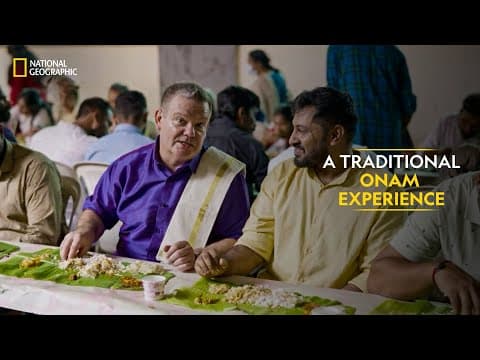
Onam is a vibrant festival in India characterized by a grand communal feast served on banana leaves, showcasing a variety of traditional dishes. The event emphasizes community, generosity, and the rich flavors of Kerala's cuisine, all while fostering a sense of kinship among diverse participants.
Onam, one of India's most celebrated festivals, is not just a time for family gatherings and festivities; it is also a culinary extravaganza that brings together thousands of people to share in a communal feast. This blog post delves into the heart of the Onam experience, highlighting the meticulous organization, the vibrant atmosphere, and the rich flavors that define this traditional celebration.
Imagine an outdoor area transformed into a bustling dining hall, capable of accommodating 3,000 people at once. The kitchen staff has a mere 30 to 40 minutes to serve a lavish meal, reset the tables, and prepare for the next wave of guests. This is not just a meal; it is a well-coordinated operation reminiscent of a military exercise, where each server carries a bucket or bowl, swiftly placing various dishes on plantain leaves laid out for the diners.
As the service begins, the atmosphere is charged with adrenaline. The servers are not just delivering food; they are embodying the spirit of Mahabali, the legendary king associated with Onam, known for his generosity and abundance. The portions served are generous, reflecting the festival's ethos of sharing and community.
In this unique dining experience, traditional utensils like bowls, spoons, or forks are replaced by banana leaves. The act of setting the table becomes a ritual in itself, as servers ensure that each guest receives a large leaf, symbolizing the abundance of the meal to come. The excitement builds as guests eagerly await the arrival of the food.
The meal features an array of dishes, each with its own story and significance. From chutneys and pickles to the rich and creamy yogurt known as Kalin, the flavors are a testament to Kerala's culinary heritage. Newer additions, like the pineapple P, have also found their way into the feast, showcasing the evolving nature of this traditional celebration.
One of the most beautiful aspects of the Onam feast is the sense of community it fosters. People from all walks of life come together to share a meal, breaking down social barriers. The temple lunches serve as great equalizers, where everyone begins eating together as soon as the rice is served. This communal aspect enhances the experience, creating a bond among participants.
As the meal progresses, the flavors come alive. The rice acts as a vehicle for the various dishes, allowing the sharpness of tamarind and the richness of ginger to shine through. Each bite is a celebration of taste, with the meal not only satisfying hunger but also providing a sense of joy and connection.
As the feast comes to an end, the atmosphere remains vibrant, with the next batch of eager diners waiting to partake in the celebration. The experience of sharing a meal during Onam is not just about the food; it is about the connections made, the stories shared, and the memories created. The festival encapsulates the essence of community and generosity, making it a truly unforgettable experience.
In conclusion, Onam is more than just a festival; it is a celebration of life, culture, and the joy of coming together. Whether you are a local or a visitor, participating in this grand feast is an opportunity to immerse yourself in the rich traditions of Kerala and to experience the warmth of its people.