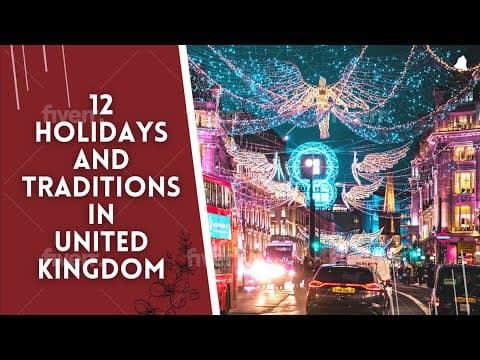
The United Kingdom celebrates a rich tapestry of holidays and traditions, each with its own cultural significance. From Burns Night to Christmas Day, these events reflect the diverse heritage of England, Scotland, Wales, and Northern Ireland, showcasing unique customs and communal celebrations.
The United Kingdom, comprising England, Wales, Scotland, and Northern Ireland, is renowned for its rich cultural heritage. Each nation within the UK boasts its own unique traditions, alongside shared rituals that bring people together. In this article, we will delve into twelve significant holidays and traditions celebrated across the UK, highlighting their importance and the joy they bring to the British people.
Burns Night is a celebration of the life and works of Scottish poet Robert Burns. Observed on January 25th, this event is marked by poetry readings, the consumption of Scotch whisky, and the traditional dish of haggis, which Burns famously praised in his writings. Scots across the country gather to honor their national bard with festivities that include music and dance.
Chinese New Year is celebrated by a significant Asian community in the UK, particularly in London’s Chinatown. This vibrant festival features a grand procession filled with traditional Chinese food, music, dancing, and acrobatics. It is the largest Chinese New Year celebration outside of Asia, showcasing the rich cultural contributions of the Chinese community to British society.
Pancake Day, also known as Shrove Tuesday, occurs the day before Lent begins. Traditionally, this day was used to use up rich ingredients like eggs, milk, and sugar before the fasting period of Lent. Although many no longer observe Lent, the custom of making and enjoying pancakes remains a beloved tradition in British households.
Easter is the most significant Christian holiday in the UK, celebrated with various customs. Children participate in Easter egg hunts, searching for chocolate eggs hidden by the Easter Bunny. A traditional fruitcake known as simnel cake, adorned with marzipan and almonds, is often served during this festive period, symbolizing the joy of resurrection.
On March 1st, the people of Wales honor their patron saint, Saint David. It is customary to wear a daffodil or leek as a symbol of Welsh pride. Many Welsh, especially children, don traditional attire to commemorate this day, celebrating their heritage and cultural identity.
Queen Elizabeth II's birthday is officially celebrated on April 21st, but the public celebration occurs on the second Saturday in June. This event, known as Trooping the Colour, features a grand parade in London, attended by the royal family. The June date allows for better weather, making it a festive occasion for the public to celebrate the monarchy.
Halloween has gained immense popularity in the UK, with children dressing up in costumes and going door-to-door for treats in a tradition known as trick-or-treating. Adults also partake in the festivities by hosting Halloween parties, embracing the spooky spirit of the holiday.
Bonfire Night, or Guy Fawkes Night, is celebrated on November 5th, commemorating the failed Gunpowder Plot of 1605. This event features large bonfires and fireworks displays, with communities gathering to remember the historical event. The rhyme "Remember, remember the 5th of November" is recited, reflecting the cultural significance of this night.
On November 11th, the UK observes Remembrance Day to honor military casualties from World War I and II. At 11 AM, a two-minute silence is observed to commemorate the truce declared in 1918. The red poppy has become a symbol of this day, representing remembrance and sacrifice.
Christmas Day, celebrated on December 25th, is the most widely observed holiday in the UK. Despite its religious origins, Christmas has evolved into a vibrant celebration filled with traditions. Families decorate their homes with Christmas trees and lights, prepare festive meals, and exchange gifts. The day is marked by a traditional Christmas dinner, featuring turkey, ham, and Christmas pudding, a rich dessert often set aflame before serving.
Boxing Day, celebrated on December 26th, originated as a day for servants to receive gifts from their employers. Today, it is synonymous with shopping and enjoying leftovers from Christmas Day. However, it is also a bank holiday, meaning many services, including transportation, may be limited.
New Year's Eve in England is celebrated with parties and gatherings, often starting in the evening and continuing until the early hours of the morning. Festivities typically include a buffet of cold foods and drinks, with the most famous celebrations occurring in Piccadilly Circus. As the clock strikes midnight, revelers sing and dance to welcome the new year, marking the occasion with joy and excitement.
In conclusion, the United Kingdom's holidays and traditions reflect its diverse cultural landscape. From the solemnity of Remembrance Day to the joyous celebrations of Christmas, these events foster a sense of community and belonging among the British people. Each holiday carries its own unique history and customs, making them an integral part of the UK's cultural identity.