This blog post examines the themes of boredom, consciousness, and societal control as discussed in a conversation about modern life, drawing parallels to historical contexts and the implications of a world increasingly dominated by apathy and conformity.
In a thought-provoking dialogue, the nature of boredom and its implications on society are explored. The conversation raises critical questions about the state of modern existence and the potential dangers of a world where individuals are disengaged and unthinking.
The discussion begins with a reflection on why people today seem to be experiencing a pervasive sense of boredom. Is it simply a result of laziness or a deeper malaise? The analogy of spoiled children playing in a bathtub suggests that this boredom may stem from a lack of meaningful engagement with the world. However, the conversation takes a darker turn, proposing that this boredom could be a symptom of a more insidious issue: a self-perpetuating form of brainwashing orchestrated by a totalitarian regime driven by monetary interests.
The speaker emphasizes that boredom is not merely an individual issue but a societal one. A bored individual is likened to someone who is asleep, unable to resist or challenge the status quo. This idea is reinforced by the account of a Swedish physicist, Christiaan Strand, who has chosen to disengage from mainstream media, believing that it contributes to a robotic existence. His perspective highlights a growing disillusionment with the information consumed daily, suggesting that it may lead to a loss of individuality and critical thought.
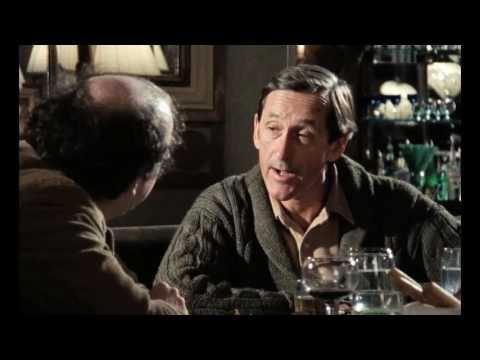
The conversation introduces the notion of an Orwellian nightmare, where individuals are unwittingly transformed into automatons. This theme resonates with the experiences of an English tree expert, who shares his insights on urban life, particularly in New York. He describes the city as a modern concentration camp, built by its inhabitants who have become both prisoners and guards of their own creation. This duality creates a psychological state where individuals are unable to recognize their confinement or the need to escape.
The tree expert's poignant gesture of handing over a pine seed symbolizes hope and the possibility of escape. He urges the speaker to "escape before it's too late," reflecting a sense of urgency about the current trajectory of society. This sentiment resonates with the speaker's own feelings of unease, likening their situation to that of Jews in Germany during the late 1930s, suggesting a looming threat that is difficult to pinpoint but impossible to ignore.
The conversation culminates in a chilling prediction about the future of humanity. The speaker posits that the 1960s may have represented the last vibrant expression of human existence before a gradual extinguishment of individuality. The fear is that future generations may consist of individuals who feel nothing and think nothing, with history and memory fading into obscurity. This bleak outlook raises profound questions about the essence of being human and the importance of preserving our collective consciousness.
The dialogue serves as a stark reminder of the potential consequences of a society that prioritizes conformity and disengagement over critical thought and emotional depth. As we navigate the complexities of modern life, it is crucial to remain vigilant against the forces that seek to dull our senses and diminish our humanity. The call to escape, both literally and metaphorically, challenges us to seek out meaningful connections and experiences that affirm our existence as sentient beings.