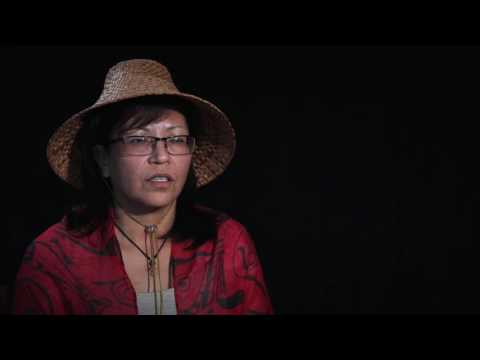
Cultural practices around birth vary widely, emphasizing the importance of family involvement, traditional rituals, and the roles of both maternal and paternal sides in the birthing process. These practices not only celebrate the arrival of a new life but also establish a deep connection between the child, family, and the land.
Birth is a significant event in many cultures, often celebrated with various rituals and traditions that reflect the values and beliefs of the community. This blog post delves into the diverse cultural practices surrounding birth, highlighting the importance of family involvement, traditional roles, and the spiritual connections established during this pivotal moment.
In many cultures, having family members present during childbirth is considered essential. This practice allows for the fulfillment of family ceremonies and provides emotional support to the expectant mother. Healthcare practitioners are encouraged to engage in conversations with families well in advance of the birth to understand who will be present and what roles they will play. This proactive approach helps ensure that the birthing experience aligns with cultural expectations.
Typically, both maternal and paternal sides of the family gather to support the mother during labor. The presence of family members is not only a source of comfort but also serves practical purposes. In case of emergencies, having family nearby can be crucial, especially if the mother needs to be transported to a different facility for medical care.
Birth is often viewed as a celebration within many cultures. The involvement of significant women in the mother's life, such as grandmothers, aunts, and cousins, is common. These women play vital roles in supporting the mother and celebrating the new life. However, the limitations of hospital maternity rooms can pose challenges in accommodating large family gatherings, which can be a source of frustration for those wishing to share in the joyous occasion.
Grandparents, particularly grandmothers, hold a special place in the birthing process. They are often present in the delivery room to witness the birth and to examine the newborn for any recognizable birthmarks. This practice is rooted in the belief that family members may return through reincarnation, making the presence of grandparents particularly significant.
Fathers also have important responsibilities during childbirth. One of their key roles is to cut the umbilical cord, symbolizing the child's connection to both maternal and paternal families. This act signifies that the child now belongs to both sides of the family, establishing a bond that extends beyond birth.
In many cultures, the placenta is treated with great respect. It is often taken home and tied to a tree, symbolizing a return to Mother Earth. Some families even plant a tree over the buried placenta, reinforcing the connection between the newborn and the land. This practice highlights the belief in giving back to the earth what was received through birth.
It is crucial for families to have contact information readily available in case of emergencies. This includes not only the parents' contact details but also those of the grandmothers and other significant family members. In the event of a tragedy, such as the loss of a child, the paternal side of the family typically takes over the responsibilities associated with the deceased.
Cultural practices surrounding birth often extend beyond the physical realm, establishing a spiritual connection between the child, family, and the land. The father clan plays a continuous role in the child's life, from birth to death, ensuring that the child is supported throughout their journey.
Birth is seen as the beginning of a series of rites of passage that connect individuals to their community and heritage. These ceremonies are integral to the social fabric of many cultures, emphasizing the importance of community support during significant life events.
Cultural practices surrounding birth are rich and varied, reflecting the deep connections between family, community, and the earth. By understanding and respecting these traditions, healthcare practitioners can provide more culturally sensitive care, ensuring that the birthing experience honors the family's values and beliefs. As we celebrate the arrival of new life, it is essential to recognize the roles that family members play and the significance of the rituals that accompany this momentous occasion.