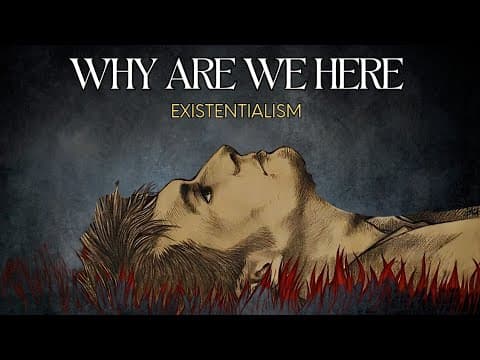
This blog post delves into existentialism, a philosophical movement emphasizing individual freedom and the search for personal meaning in life. It discusses key thinkers like Søren Kierkegaard, Friedrich Nietzsche, and Jean-Paul Sartre, exploring their ideas on existence, essence, and the individual's role in creating meaning amidst chaos.
The question of the meaning of life has lingered in the minds of many, especially during existential crises. For those who do not believe in a higher power, the search for peace and purpose can feel particularly daunting. This blog post explores existentialism, a philosophical movement that emphasizes human freedom and the individual's role in creating meaning in life.
Existentialism is a broad term that encompasses various interpretations and articulations by different philosophers. At its core, existentialism is a reaction against the idea that life has a predetermined purpose assigned by a higher power. Instead, it prioritizes existence over essence, suggesting that individuals must create their own meaning through their experiences and choices.
Several notable philosophers have contributed to existentialist thought, including:
Søren Kierkegaard, often regarded as the father of existentialism, challenged the classical philosophical tradition of essentialism, which posits that human beings possess a fixed essence that defines their purpose. Kierkegaard believed that true existence requires confronting life's challenges independently of societal norms.
Kierkegaard outlined three distinct stages of life:
Kierkegaard emphasized that individuality is essential for living authentically and that meaning can only be found through personal choice and accountability.
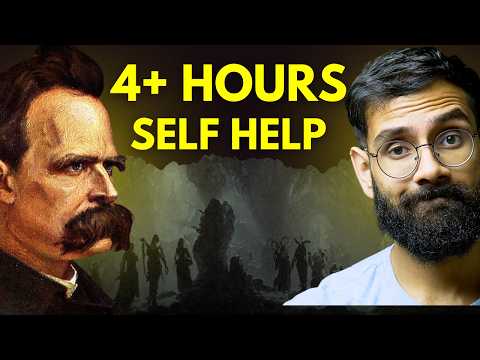
Friedrich Nietzsche famously declared, "God is dead," symbolizing the collapse of universal moral truths. In a world devoid of inherent meaning, Nietzsche argued that individuals must rise above societal norms to create their own values.
Nietzsche criticized herd morality, which suppresses individuality, and championed the development of master morality, emphasizing self-overcoming and creativity. He believed that confronting life's struggles is essential for growth, encapsulated in his assertion, "What does not kill us makes us stronger."
Nietzsche introduced the concept of the Übermensch, or Overman, as the ideal individual who transcends conventional morality and embraces the freedom to establish their own values. This journey of self-creation requires courage and resilience, celebrating both chaos and creativity.
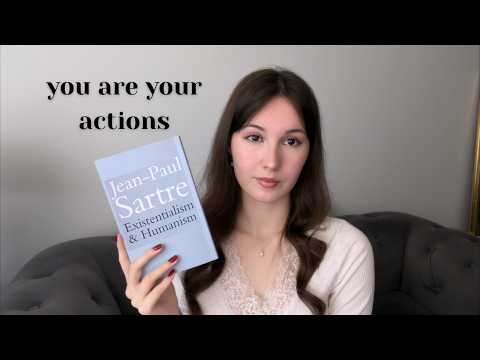
Jean-Paul Sartre's existentialism posits that humans are born without inherent essence; instead, they create meaning through their actions and choices. His experiences during World War II influenced his views on the fragility of traditional notions of human nature and purpose.
Sartre introduced the concept of bad faith, where individuals deny their freedom by conforming to societal roles. He believed that many people live in bad faith, avoiding the anxiety of freedom by adhering to externally imposed definitions of purpose. In contrast, authenticity involves acknowledging one's freedom and responsibility to define one's essence through conscious choices.
For Sartre, freedom is not merely the absence of constraints; it is the active process of shaping one's life in a world that lacks inherent meaning. This freedom comes with anguish, as individuals must confront the weight of their choices and the responsibility of defining their existence.
Existentialism invites individuals to confront the existential void and actively create their own meaning. Through the philosophies of Kierkegaard, Nietzsche, and Sartre, we learn that the search for meaning is not passive but requires courage, resilience, and a willingness to embrace life's challenges. In a chaotic world, the journey of self-discovery and the creation of personal meaning becomes a transformative act, allowing individuals to navigate the complexities of existence with purpose and authenticity.