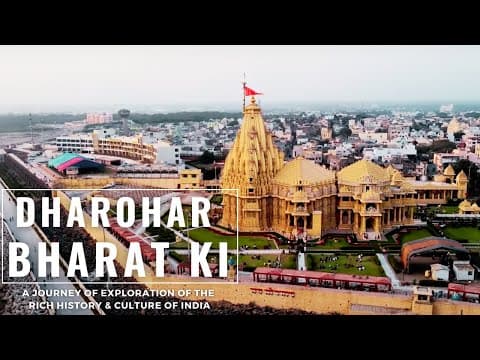
This blog post delves into the rich history and cultural heritage of India, highlighting significant temples, historical events, and the efforts made to preserve and honor India's legacy. It discusses the restoration of ancient sites, the importance of cultural pride, and the role of modern leaders in reviving India's historical narratives.
India's civilization has been a tapestry of stories woven through centuries, reflecting the origins of our ancestors, our values, and the struggles for freedom. Each heritage site stands as a testament to these narratives, urging us to preserve them for future generations. This post takes you on a journey through some of India's most significant cultural landmarks and the stories they tell.
Heritage is not just about preserving the past; it is about understanding our identity and instilling pride in future generations. The question arises: who is responsible for safeguarding these treasures? The answer lies in the collective efforts of individuals and leaders who recognize the importance of cultural preservation.
From Somnath to Kedarnath, we witness the revival of Indian culture. The Somnath Temple, one of the twelve Jyotirlingas, has a storied history of destruction and reconstruction. Despite being demolished 17 times, the temple stands tall today, symbolizing resilience. In August 2021, Prime Minister Modi inaugurated several projects at Somnath, enhancing its infrastructure and visitor experience, thereby boosting tourism and cultural pride.
Moving to the Mahakaleshwar Temple, we find a site that attracts millions of devotees annually. The temple's infrastructure was inadequate to handle the influx of pilgrims, prompting a significant transformation under Modi's leadership. The new facilities respect the sentiments of devotees while ensuring a seamless experience for all.
Pavagadh, one of the 52 Shakti Peeths, faced destruction in the 15th century but has been revitalized, with its flag flying high once again. Similarly, the Kashi Vishwanath Temple underwent a grand transformation, connecting it directly to the Ganges, enhancing the pilgrimage experience.
Ayodhya, the birthplace of Lord Ram, is another focal point of cultural revival. The grand temple being constructed here aims to honor Lord Ram's legacy and the values he represents. This temple, once completed, will be one of the largest Hindu temples in the world, symbolizing the ideals of justice and righteousness.
The Kedarnath Temple, another significant site, is steeped in the lore of the Mahabharata. After the devastating floods of 2013, the temple's restoration became a priority, showcasing the commitment to preserving our spiritual heritage.
Dhola Vira, a UNESCO World Heritage site, offers insights into the Indus Valley Civilization. Its sophisticated urban planning and water management systems highlight the advanced nature of ancient Indian society. Efforts to promote this site as a tourist destination are crucial for educating future generations about our rich history.
The Kartarpur Corridor, inaugurated in 2019, allows Sikh pilgrims to visit the revered Gurudwara without the need for a visa. This initiative reflects the government's commitment to fostering religious harmony and accessibility.
The return of over 2,200 artifacts to India since 2014 underscores the importance of reclaiming our cultural heritage. These artifacts, ranging from ancient sculptures to coins, are vital for understanding our history and identity.
The sacrifices of freedom fighters are commemorated through various memorials, including the National War Memorial and the National Police Memorial. These sites serve as reminders of the struggles endured for our independence and the ongoing commitment to honor their legacy.
The Central Vista project aims to modernize India's democratic institutions, including the new Parliament building. This initiative symbolizes a shift from colonial legacies to a renewed sense of national identity and pride.
As we explore these historical narratives, it becomes evident that preserving our heritage is a collective responsibility. The efforts made by leaders and citizens alike are crucial in ensuring that the stories of our past continue to inspire future generations. The journey of cultural revival is just beginning, and it is up to us to carry forward this legacy with pride.
In the words of Prime Minister Modi, this is a joint step towards honoring our heritage, history, and heroes. Let us embrace this journey and ensure that the tales of our ancestors resonate through time, enriching our identity as a nation.