This blog post delves into the rich cultural and spiritual contributions of the Latino community in the United States, highlighting the intersection of faith and culture, the challenges faced within the church, and the importance of recognizing Latino contributions to American history and society.
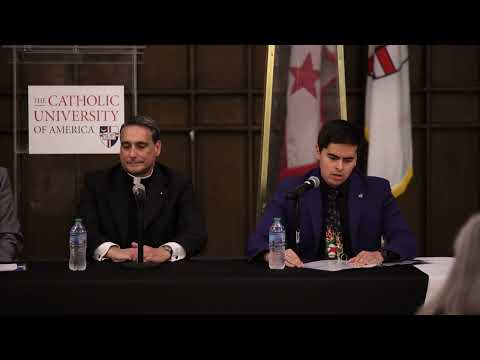
In a recent cultural inquiry, a panel of experts gathered to honor the rich cultural and spiritual contributions of the Latino community to both the church and American society. The discussion focused on how faith and culture intersect, shaping the experiences of Latinos in the United States and beyond. This event, held at the Catholic University of America, featured prominent speakers who shared their insights on the complexities of Latino identity and the importance of cultural understanding.
The evening began with an invocation by Father Richard Mullin, who emphasized the importance of faith during the Advent season. He highlighted the need for understanding and embracing cultural diversity within the church, setting the tone for a thoughtful discussion on the Latino experience in America.
Dr. Aaron Dominguez, the Provost of the Catholic University of America, opened the discussion by acknowledging the growing Hispanic presence in the United States. He noted that the Latino community has been integral to the fabric of American society since its inception, with roots that trace back to the earliest days of the nation.
Dr. Dominguez shared his personal background, illustrating how his own Latino heritage informs his perspective on cultural sensitivity in academia. He emphasized the importance of recognizing and serving the needs of Latino students in higher education, as they represent a significant and growing demographic.
Maria Arena, a Peruvian American author and literary director, spoke passionately about the intersection of culture and faith in Latino literature. She recounted her journey from Peru to the United States and how her experiences shaped her understanding of the Latino identity. Arena highlighted the deep spiritual roots within Latino culture, noting that faith has historically played a crucial role in uniting diverse communities across Latin America.
Father Mullin shared his experiences as the director of Multicultural Ministries in the Diocese of Arlington, Virginia. He recounted the challenges of establishing a Spanish Mass in a predominantly Anglo parish, illustrating the difficulties of making the Latino community visible within the church. He emphasized the importance of acknowledging and embracing the diversity within the church to foster a sense of belonging for all members.
The panelists discussed the need for cultural sensitivity within religious institutions, particularly as the Latino population continues to grow. They emphasized that the church must adapt to serve the needs of its diverse congregation, ensuring that all voices are heard and valued.
Dr. Dominguez highlighted the importance of education in empowering the Latino community. He noted that as more Latinos pursue higher education, they will play a crucial role in shaping the future of the church and society. The panelists agreed that investing in education and providing opportunities for Latino students is essential for fostering a more inclusive and equitable society.
The discussion also touched on the significance of cultural traditions within the church, particularly the celebration of events like the Feast of Our Lady of Guadalupe. Father Mullin emphasized that these celebrations enrich the church's life and provide an opportunity for all members to come together in faith and community.
The panel concluded with a call to action for greater recognition of the Latino community's contributions to American history and culture. Maria Arena urged the audience to educate themselves and others about the rich heritage of Latinos in the United States, emphasizing that their stories and achievements are integral to the American narrative.
As the Latino community continues to grow and evolve, it is essential for the church and society to embrace this diversity, fostering an environment of understanding, respect, and celebration. The insights shared during this cultural inquiry serve as a reminder of the importance of recognizing and valuing the contributions of all communities in shaping a more inclusive future.