Lowriding is more than just a car culture; it embodies creativity, cultural identity, and social change within the Chicano community. This blog post delves into the history, significance, and evolution of lowriding, highlighting its roots in social movements and its role in fostering community pride and resilience.
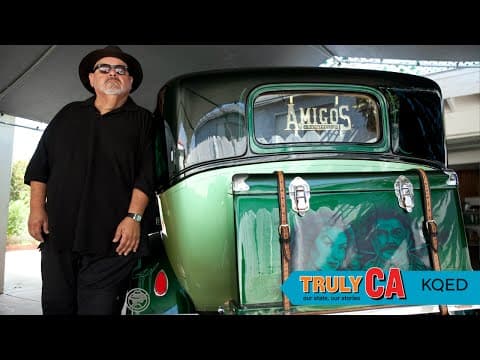
Lowriders, those hydraulically raised and lowered vehicles, are not just cars; they are a vibrant expression of culture, creativity, and identity, particularly within San Diego's rich Chicano community. This blog post explores the multifaceted significance of lowriding, its historical roots, and its ongoing impact on community and identity.
For many, lowriding is a form of self-expression. As Aguilar states, "Lowriding, to me, is a self-expression -- self-expression of the ideas and the style that you like. It's an individual pride." This pride is evident in the meticulous care that goes into each vehicle, with owners often spending countless hours ensuring their cars are polished and perfect. Juarez adds, "Our cars were washed, clean, polished. Everything was perfect, and we knew that we were special."
Lowriding is also an art form. Soriano describes it as "the beauty of my culture. It's art. And at the same time, it lets people know, 'Hey, I'm here to stay, and I'm as part of the American melting pot as anybody else.'" The creativity involved in customizing cars reflects a deep connection to cultural identity and pride.
The roots of lowriding can be traced back to the Chicano movement, which sought to assert cultural identity and fight for civil rights. The takeover of Chicano Park in San Diego is a pivotal moment in this history. Constancio explains, "Chicano Park was a manifestation of the struggle by the people here in this community... It was a symbol of the resistance."
Lowriding has historically served as a means of community organization and resistance against marginalization. Reyes reflects on the importance of lowriding in providing an alternative lifestyle for youth in the barrios, stating, "If I hadn't done it, I probably would be dead by now." This sentiment underscores how lowriding has offered a sense of belonging and purpose, steering individuals away from the dangers of street life.
As lowriding evolved, it became more than just a pastime; it transformed into a way of life. The culture has seen the rise of numerous car clubs, each fostering a sense of community and camaraderie. The Latin Lowriders, for instance, began as a small group of friends and grew into a larger movement, inspiring many to join the lowrider community.
Women have played a crucial role in the lowrider scene, often facing challenges in a male-dominated culture. Cano, a member of the first all-women's car club, Ladies Pride, emphasizes the importance of representation, stating, "What we did by putting together this club and being members of this club would open the doors for lots of other women to do the same thing."
Today, lowriding continues to thrive, with events and gatherings celebrating this unique culture. The annual Chicano Park Day is a testament to the enduring legacy of lowriding, bringing together families and car enthusiasts to celebrate their heritage. Aguilar notes, "Today, lowrider has become an international sensation."
Despite its positive aspects, lowriding has faced challenges, particularly from law enforcement. Many lowriders have experienced harassment and discrimination, often being unfairly labeled as gang members. This stigma has led to tensions between lowriders and police, as highlighted by the experiences shared by various community members.
Lowriding is a powerful symbol of Chicano identity, creativity, and resilience. It represents a rich cultural heritage that continues to evolve while maintaining its roots in community and social change. As the lowrider culture grows and adapts, it remains a vital part of the Chicano experience, celebrating pride, artistry, and the enduring spirit of a community that refuses to be marginalized.
In the words of Soriano, lowriding is not just about the cars; it is about identity, culture, and the beauty of being part of a community that stands together.
As we look to the future, it is essential to educate younger generations about the history and significance of lowriding, ensuring that this vibrant culture continues to thrive for years to come.