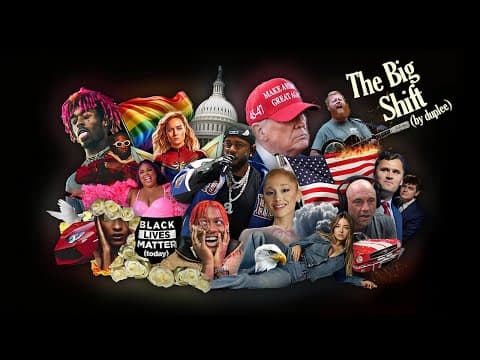
This blog post delves into the contrasting perceptions of millennials and Gen Z, examining the nostalgia for millennial culture, the impact of the Great Recession, and the evolving economic landscape. It discusses the optimism of millennials despite economic challenges, the rise of the girl boss culture, and the generational differences in attitudes towards work and adulthood.
In recent years, there has been a wave of nostalgia among Gen Z for millennial culture, often romanticizing the early 2010s as a time of optimism and creativity. This blog post aims to explore whether millennials truly lived in a paradise, contrasting their experiences with those of Gen Z, particularly in the context of economic challenges and cultural shifts.
Millennials often reminisce about their formative years filled with indie music, vibrant social scenes, and a palpable sense of hope for the future. The early 2010s were characterized by a unique cultural atmosphere, where millennials felt a strong sense of community and excitement about their professional potential. This optimism was reflected in their music, fashion, and media, creating a vibrant cultural identity.
Currently, Gen Z is experiencing a nostalgia for millennial aesthetics, music, and lifestyle. This longing raises the question: why were millennials perceived as happier and more optimistic compared to Gen Z? Many millennials argue that despite their economic struggles, they enjoyed a sense of freedom and creativity that seems less accessible to younger generations today.
Despite the cultural vibrancy, millennials came of age during the Great Recession, which significantly impacted their economic prospects. The recession, lasting from 2007 to 2009, was marked by excessive mortgage lending and a subsequent housing market crash, leading to widespread unemployment and financial instability.
Research indicates that millennials entering the job market during this period faced unprecedented challenges. Studies show that the employment rates and earnings of recent graduates were significantly lower than those of previous generations. Many millennials found themselves burdened with student debt and limited job opportunities, leading to a sense of disillusionment.
In response to these economic challenges, millennials developed a culture of hustle and ambition, often referred to as the "girl boss" phenomenon. This movement emphasized female empowerment and entrepreneurship, encouraging women to pursue their professional dreams despite the obstacles they faced.
Millennials were often criticized for their perceived overconfidence and entitlement in the workplace. However, this attitude can be understood as a reaction to the harsh economic realities they encountered. Many millennials felt compelled to project confidence and ambition as a survival strategy in a competitive job market.
As we compare millennials to Gen Z, distinct differences in attitudes towards work and adulthood emerge. While millennials often sought fulfillment and purpose in their careers, Gen Z appears to prioritize work-life balance and mental health. This shift reflects the changing economic landscape and the lessons learned from the experiences of millennials.
The rise of social media has also influenced generational perceptions. Millennials initially viewed technology as a tool for connection and creativity, while Gen Z often experiences it as a source of anxiety and pressure. The performative nature of social media has contributed to a more cynical outlook among younger generations.
In retrospect, while millennials may have experienced a unique cultural moment filled with optimism, their reality was also shaped by significant economic challenges. The nostalgia for millennial culture often overlooks the harsh realities of the Great Recession and the ongoing struggles with wealth inequality.
Ultimately, the experiences of both generations highlight the importance of understanding the broader context in which they exist. As we navigate the complexities of modern life, it is crucial to foster intergenerational solidarity and recognize that the challenges faced by millennials and Gen Z are often rooted in systemic issues that require collective action to address.