This blog post delves into the rich tapestry of multilingualism and cultural identity in the Philippines, highlighting the importance of understanding and preserving diverse languages and traditions as essential components of Filipino heritage.
The Philippines is a nation characterized by its rich cultural diversity and multilingual heritage. In this discussion, we explore the significance of language and culture in shaping Filipino identity, emphasizing the need for awareness and appreciation of this diversity.
Language serves as a vital tool for communication and cultural expression. In the Philippines, over 175 languages are spoken, reflecting the country's complex history and the various ethnic groups that inhabit its islands. This linguistic diversity is not merely a means of communication but also a repository of cultural knowledge and traditions.
Multilingualism is a common phenomenon in the Philippines, where many Filipinos are fluent in multiple languages, including Filipino (Tagalog), English, and various regional dialects. This ability to navigate different languages allows for a richer cultural exchange and fosters a sense of community among diverse groups.
Cultural identity is deeply intertwined with language. The way people express themselves through their native tongue often reflects their values, beliefs, and traditions. In the Philippines, cultural practices, folklore, and rituals are often passed down through generations via language, making it crucial to preserve these linguistic traditions.
Education plays a pivotal role in promoting multilingualism and cultural awareness. By incorporating local languages and cultural studies into the curriculum, educational institutions can help students appreciate their heritage and understand the importance of preserving their linguistic roots.
Despite the rich linguistic landscape, the Philippines faces challenges in maintaining its multilingual identity. Globalization and the dominance of English in various sectors can lead to the erosion of local languages. This shift poses a threat to cultural diversity and the unique identities of various Filipino communities.
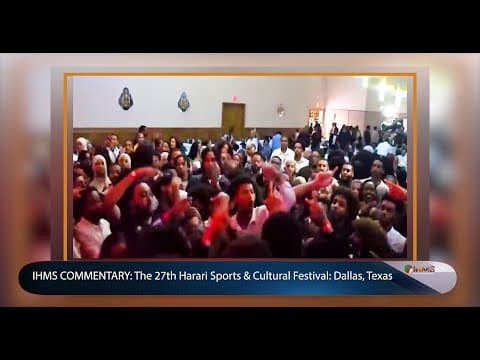
To combat the decline of local languages, there is a pressing need for initiatives that promote language preservation. Community programs, cultural festivals, and government policies can play a significant role in revitalizing interest in local languages and traditions.
The Philippines stands as a testament to the beauty of multilingualism and cultural diversity. Understanding and appreciating this complexity is essential for fostering a sense of national identity and pride. By embracing and preserving the rich tapestry of languages and cultures, Filipinos can ensure that their heritage continues to thrive for future generations.