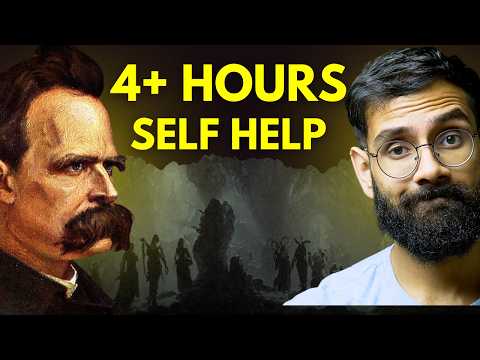
This blog post delves into Friedrich Nietzsche's provocative ideas about morality, the concept of the 'Ubermensch', and the implications of a world without objective moral truths, challenging readers to confront uncomfortable truths about freedom and responsibility.
Friedrich Nietzsche, a philosopher known for his radical ideas, proposed thoughts that many find terrifying and uncomfortable. He suggested that beneath our layers of morality and justifications lies a truth that most prefer to ignore. This post will explore Nietzsche's most outrageous thought: the declaration that "God is dead" and what that means for our understanding of morality, freedom, and personal responsibility.
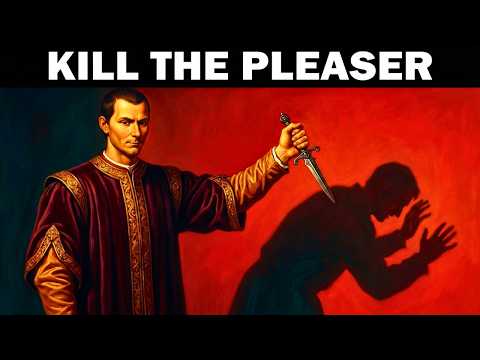
Nietzsche believed that there is something within each of us that we deny and bury under layers of societal norms and moral justifications. This shadow whispers to us when we confront the darker aspects of existence. He argued that many people ridicule uncomfortable truths rather than face them. The central question arises: what if everything we believe about life, morality, and the concepts of good and evil is merely a convenient lie?
When Nietzsche proclaimed that "God is dead," he was not merely discussing religion. He was addressing the collapse of traditional certainties that once defined morality. In a world where God is no longer the arbiter of right and wrong, the responsibility for defining morality falls on individuals. This raises critical questions: Who decides what is good? How do we endure life without a divine purpose?
Nietzsche's most controversial idea is that there is no objective morality. The moral codes we follow are human constructions, often designed to keep the strong subdued. He argued that the prevailing morality is shaped by the weak, who resent greatness and thus create a system that punishes those who strive for excellence. This leads to a society where mediocrity is rewarded, and those who dare to stand out are often vilified.
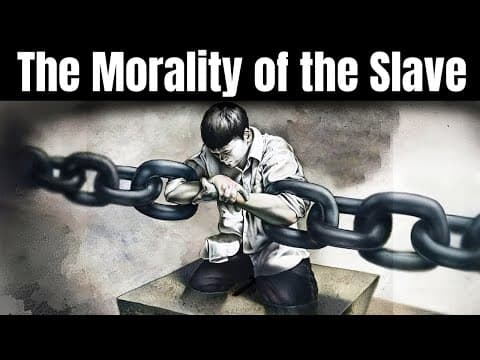
Nietzsche observed that society is molded by the weak, who have created a morality that glorifies submission and humility. He posited that this morality turns guilt into a weapon, making individuals feel ashamed for their desires and ambitions. The result is a culture that despises those who are free and unbound by societal expectations.
One of Nietzsche's most brutal assertions is that compassion, as we understand it, can perpetuate weakness. He argued that helping others without encouraging their growth merely prolongs their suffering. True progress, according to Nietzsche, comes from the strong—those who refuse to settle and who do not make excuses.
If Nietzsche were alive today, he would likely critique our society's obsession with political correctness and victimhood. He would argue that we have renounced greatness out of fear of judgment and remain trapped in a morality that keeps us small. The challenge for individuals is to confront this reality and decide whether to follow the rules of the prevailing morality or to break free from them.
Accepting Nietzsche's ideas can be daunting. It requires acknowledging that our lives may have been directed by invisible norms and chains we were unaware of. The truth is that most people do not seek the truth; they seek comfort. They prefer to believe in a universal moral order rather than confront the chaos of a world without imposed rules.
Nietzsche's philosophy demands that if there is no universal morality, individuals must create their own. This comes with absolute responsibility. If you define your own morality, every action is yours alone, and you cannot blame others for your decisions. This level of accountability terrifies many, leading them to cling to societal norms for comfort.
The concept of the Ubermensch, often misinterpreted, is not about tyranny or domination. Instead, it represents an individual who has transcended the need for the morality of the slaves. The Ubermensch creates their own values and lives authentically, free from societal expectations. However, this path is lonely and fraught with misunderstanding.
True freedom is not merely about doing what one wants; it involves the courage to make decisions without seeking permission. Nietzsche recognized that most people fear the abyss of true freedom, preferring the safety of imposed norms. This fear leads to a society that crushes those who think differently and rewards obedience.
Ultimately, individuals face a choice: continue conforming to a morality they did not create or dare to think for themselves. This decision comes with the understanding that true freedom is not for everyone. Only those who can bear the weight of their choices without excuses can truly be free.
Nietzsche's philosophy challenges us to confront uncomfortable truths about our existence, morality, and the nature of freedom. It asks us to consider whether we are willing to break our chains and create our own path, even if it means facing societal backlash. The question remains: do you have the courage to accept this truth and live authentically, or will you choose the comfort of conformity? The choice is yours.