This blog post delves into the significance of Tā Moko, the traditional Māori tattoo art, as showcased in an exhibition at the National Gallery of Australia. It highlights the personal experiences of tattoo artists and clients, the cultural importance of tattooing, and the emotional connections formed during the process.
The National Gallery of Australia recently hosted a remarkable exhibition dedicated to Tā Moko, the traditional Māori tattoo art. This event brought together diverse groups of people, showcasing the rich cultural heritage of the Māori and the significance of tattooing in their society. The exhibition not only displayed the art but also provided a platform for personal stories and cultural exchanges.
Tā Moko is more than just body art; it is a representation of identity, genealogy, and cultural heritage. The tattoos are deeply rooted in Māori tradition, symbolizing the wearer's lineage and personal history. The exhibition featured various pieces that date back to the 17th century, allowing visitors to appreciate the evolution of this art form.
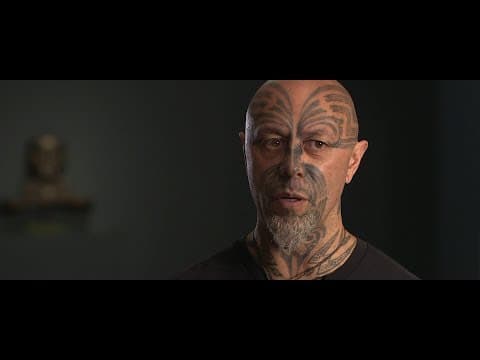
One of the tattoo artists involved in the exhibition shared his journey into the world of tattooing. He began his career 25 years ago, inspired by kapa haka performances, which are traditional Māori dance and music. Initially, he practiced drawing on himself and others for stage performances. His journey took a significant turn when he was introduced to tattooing with a homemade machine, which he used for several years before being mentored by a renowned tattoo artist from Tonga Bay.
Throughout his career, the artist has engaged in cultural collaborations, including working with Native American tribes. These experiences have enriched his understanding of tattooing as a cultural practice and allowed him to connect with other indigenous communities.
During the exhibition, the artist performed live tattooing, which attracted many visitors. He emphasized the importance of discussing the client's motives and reasoning behind getting a tattoo. This dialogue helps establish a connection and allows the design to flow naturally. The artist described the experience as a form of conditioning, where time seems to fly by once he enters the creative zone.
The atmosphere during the tattooing process is crucial. The artist mentioned the significance of music, which helps create a peaceful environment for both the practitioner and the client. The presence of ancestral spirits is felt, and the interaction between Māori and non-Māori attendees fosters a sense of community and connection.
Visitors to the exhibition had the opportunity to witness the tattooing process firsthand. One client shared his surreal experience of receiving Tā Moko in the gallery, surrounded by the artworks of ancestors. He expressed a deep sense of fulfillment and completion after the tattooing process, despite acknowledging the pain involved.
The client described a unique coping mechanism during the tattooing process, which he referred to as pain transference. He visualized his family members, asking them to share in his pain, which helped him endure the discomfort. This psychological approach allowed him to connect with his heritage while undergoing the tattooing experience.
The Tā Moko exhibition at the National Gallery of Australia was not just an art display; it was a celebration of Māori culture and identity. The stories shared by tattoo artists and clients highlighted the emotional and spiritual connections formed through the art of tattooing. As the exhibition continues to draw attention, it serves as a reminder of the importance of cultural heritage and the power of art to connect people across generations.