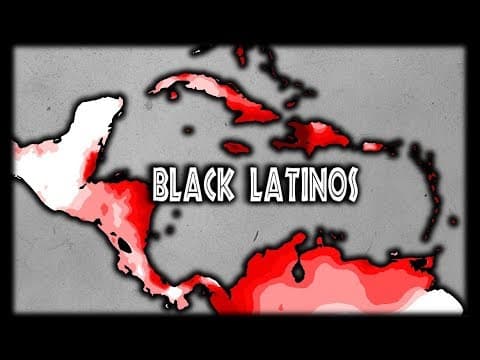
This blog post delves into the significant yet often overlooked presence of African descendants in Latin America, tracing their history, cultural diversity, and the complexities of identity within the region. It highlights the demographic impact of African ancestry, the unique communities formed, and the ongoing cultural integration of Afro-Latinos across various Latin American countries.
Latin America is a region rich in cultural diversity, yet one aspect that often goes unnoticed is the significant presence of African descendants. This blog post aims to shed light on the African heritage in Latin America, exploring its historical roots, cultural implications, and the complexities of identity among Afro-Latinos.
The history of Africans in the Americas dates back to the arrival of Columbus. Shortly after the Spaniards reached the West Indies, the indigenous populations, such as the Taino and Carib, began to decline due to diseases brought by Europeans. To replace the dwindling labor force, the Spanish and Portuguese imported slaves from Africa in large numbers, primarily from Central and West Africa. This influx led to the gradual formation of a distinct Afro-Latino identity, similar to the African American experience in the United States.
Today, the African-descended population in Latin America is substantial, with estimates suggesting that over 40 million Latin Americans identify as black or of African descent. This number is significant when considering that the total population of Latin America exceeds 600 million. The African influence is evident in nearly every country south of the U.S. border, with varying degrees of representation and cultural integration.
Brazil stands out with a larger Afro-descendant population than Hispanic America, both in numbers and percentages. Some estimates suggest that as many as one in four Brazilians may have African ancestry. However, this figure can be contentious, as it often includes individuals of mixed heritage, such as those identifying as Pardo, who may have significant non-African admixture.
Another unique group within the Afro-Latino demographic is the Maroons, descendants of runaway slaves who established their own communities in remote areas. These groups often maintain a more distinct cultural identity, having less intermixing with other races compared to other Afro-Latino communities. Their languages and traditions are heavily influenced by African heritage, setting them apart from the broader Latino population.
The Afro-Latino identity is complex and varies significantly across different countries. In many Latin American nations, individuals of African descent often assimilate into the broader cultural landscape, speaking Spanish and adopting local customs. However, cultural quirks and traditions persist, reflecting their unique heritage.
In Colombia, the African-descended population is officially around 11 percent, yet they often lack representation in media. Most Afro-Colombians reside along the Pacific coast, where they form a majority in some regions. This demographic distribution has led to a lack of visibility in major urban centers, contributing to the misconception that Afro-Colombians are less significant in the national identity.
The Dominican Republic presents a contrasting narrative, where distinctions are made between Afro-Dominicans and Haitians, the latter often facing discrimination. The Dominican identity is shaped by a complex history of mixing and cultural heritage, leading many Dominicans to reject the label of black in favor of a more nuanced self-identification.
The legacy of African ancestry in Latin America is profound, influencing everything from music and dance to religion and cuisine. While many Afro-Latinos are traditionally Catholic, there is a growing presence of Protestant and evangelical movements. Additionally, some communities maintain traditional African religions, blending them with Catholic practices.
The African heritage in Latin America is a vital part of the region's identity, contributing to its rich tapestry of cultures. Despite the historical and ongoing challenges faced by Afro-Latinos, their influence is undeniable. As awareness grows, it is essential to recognize that Latino identity encompasses a wide range of racial and cultural backgrounds, challenging the simplistic notions often perpetuated in media.
In conclusion, Latin America stands as a testament to the enduring legacy of African descendants, making it one of the most African places in the world outside of Sub-Saharan Africa. The journey of understanding and appreciating this heritage continues, inviting further exploration and recognition of the diverse communities that shape the region today.