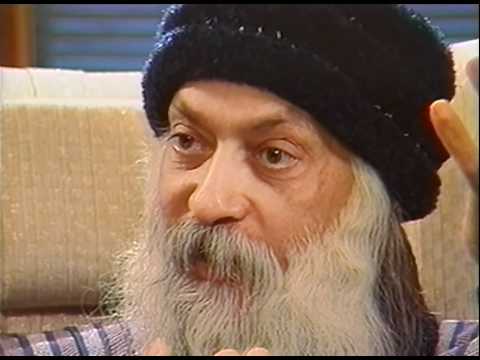
OSHO challenges the traditional notion of God, arguing that the concept is a psychological projection stemming from human fears and childhood experiences. He suggests that the idea of God is a comforting lie created to cope with life's challenges and the inevitability of death.
In a thought-provoking discourse, OSHO presents a radical viewpoint on the existence of God, asserting that the concept itself is a construct of human psychology rather than a reality. This article delves into OSHO's arguments, exploring the implications of his claims and the psychological underpinnings of belief in God.
OSHO begins by questioning the very foundation of belief in God, stating, "My God! There is no God!" He argues that the idea of God is the greatest lie invented by man. This assertion stems from the observation that humans often feel helpless and burdened by the challenges of life, particularly the fear of death. In this context, God serves as a psychological crutch, a comforting figure that individuals turn to in times of distress.
According to OSHO, the concept of God is a projection of childhood experiences. He explains that individuals often view God as a parental figure, either as a father or a mother, reflecting the nurturing and protective roles that parents play in their early lives. This projection is rooted in a desire for safety and security, which many people seek throughout their lives.
OSHO emphasizes that the psychological childhood experienced by individuals influences their perception of God. The comfort and care provided by parents during formative years create a longing for similar support in adulthood. As a result, many religions depict God as a paternal or maternal figure, fulfilling the emotional needs of believers. However, OSHO argues that this is merely a psychological projection without any basis in reality.
A significant aspect of OSHO's argument is the human tendency to seek help during times of trouble. He points out that despite this search, help often does not arrive. He references the biblical figure of Jesus Christ, who, during his crucifixion, cried out, "Father, have you forsaken me?" This moment illustrates the profound disillusionment that can occur when individuals realize that their expectations of divine intervention are unmet. OSHO suggests that Jesus, despite his unwavering faith, faced the ultimate disappointment of feeling abandoned in his time of need.
OSHO contrasts his perspective with that of traditional believers, stating, "I don't have any illusion, I cannot be disillusioned." This statement encapsulates his philosophy: by rejecting the notion of God, he frees himself from the potential for disillusionment that comes with unmet expectations. In his view, acknowledging the absence of God allows for a more authentic engagement with life's challenges, devoid of the comforting but ultimately misleading narratives that religion often provides.
OSHO's exploration of the concept of God invites readers to reconsider their beliefs and the psychological motivations behind them. By framing God as a psychological projection rather than a divine reality, he challenges the foundations of religious faith and encourages a deeper understanding of human nature. This perspective not only raises questions about the existence of God but also about the ways in which individuals cope with fear, uncertainty, and the complexities of life.