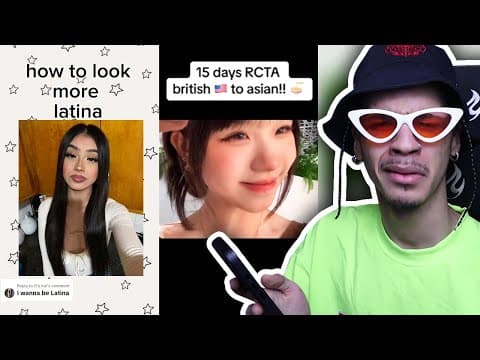
This blog post delves into the phenomenon of individuals attempting to change their race, often through social media communities, and discusses the implications, motivations, and societal reactions surrounding this trend.
In recent times, a peculiar trend has emerged among certain segments of the younger generation, particularly on social media platforms. This trend involves individuals expressing a desire to change their race, often referred to as RCTA (Race Change to Another). This blog post aims to explore this phenomenon, its implications, and the societal reactions it has garnered.
The concept of RCTA has been described as a community where individuals share tips and experiences on how to alter their appearance to resemble another race. Initially perceived as a joke or satire, it has become evident that there are serious undertones to this trend. Many participants genuinely believe in their quest to change their racial identity, leading to a mix of confusion, concern, and ridicule from the broader public.
One of the driving forces behind this trend appears to be the influence of popular culture, particularly K-pop and anime, which have captivated many young people. The desire to emulate the aesthetics associated with these cultures can lead to a misguided belief that changing one's race is achievable through physical alterations.
The societal pressures to conform to certain beauty standards also play a significant role. Many individuals, particularly those from minority backgrounds, may feel that they are not adequately represented or valued in a predominantly Eurocentric society. This can lead to a longing to adopt traits associated with perceived beauty or privilege.
The RCTA community often thrives on platforms like TikTok and Instagram, where users share their transformation journeys. These platforms can create echo chambers that reinforce these beliefs, making it difficult for individuals to see the potential harm in their pursuits.
The public's reaction to RCTA has been largely negative, with many expressing outrage and disbelief. Critics argue that this trend trivializes the experiences of those who face real racial discrimination and perpetuates harmful stereotypes. The irony of individuals wanting to change their race for aesthetic reasons is not lost on many, leading to a mix of humor and horror in the discourse surrounding RCTA.
The desire to change one's race raises important questions about racial identity and self-acceptance. For many, the journey of embracing one's racial background is fraught with challenges, and the RCTA trend may indicate a deeper struggle with self-worth and identity.
There is also a significant risk of cultural appropriation inherent in the RCTA movement. When individuals attempt to adopt traits from another race without understanding or respecting the cultural significance behind those traits, it can lead to a commodification of identity that is both disrespectful and harmful.
The RCTA phenomenon is a complex and multifaceted issue that reflects broader societal challenges regarding race, identity, and acceptance. While some may view it as a harmless trend, it is essential to recognize the underlying issues that drive individuals to seek such drastic changes. Encouraging open dialogue about race and fostering environments where individuals can embrace their identities without fear of judgment is crucial in addressing the motivations behind RCTA. As society continues to grapple with these issues, it is vital to approach the topic with sensitivity and understanding, recognizing the diverse experiences that shape our perceptions of race and identity.