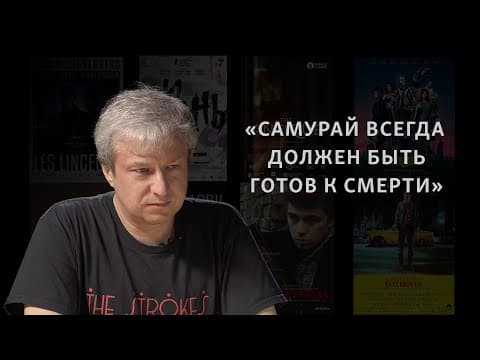
In an insightful interview, Anton Dolin discusses the cultural differences between Tbilisi and Yerevan, the impact of Russian cinema on contemporary ideology, and the provocative title of his new book, "Bad Russians." He reflects on the complexities of identity, nostalgia, and the role of art in addressing themes of death and societal issues.
In a recent interview, Anton Dolin delves into the cultural nuances of Tbilisi and Yerevan, two cities that have become significant destinations for Russians since the onset of the Ukraine war. Dolin's reflections touch on the beauty of these cities, their culinary delights, and the stark differences in temperament and culture between the Armenian and Georgian people.
Dolin begins by comparing Tbilisi and Yerevan, noting that both cities have welcomed a large influx of Russians. He describes Tbilisi as a picturesque city that continually reveals new facets of its charm. In contrast, he finds Yerevan to be uniquely flavorful, particularly praising its culinary scene. Dolin humorously suggests that one could randomly choose any café in Yerevan and be guaranteed a delicious meal, a testament to the city's vibrant food culture.
Dolin emphasizes the cultural differences between the residents of Tbilisi and Yerevan, despite their geographical proximity. He likens the relationship to that of the French and Germans, highlighting how close neighbors can possess vastly different temperaments and cultural expressions. This cultural richness is something Dolin cherishes, as it provides a sense of connection to his roots while also allowing for new experiences.
The conversation shifts to Dolin's new book, titled "Bad Russians." He explains that the title is intentionally provocative, designed to spark curiosity and discussion. Dolin expresses his desire for readers to engage with the book, which critiques the mainstream Russian cinema of the past 25 years. He acknowledges that while the title may offend some, it serves as a litmus test for readers' reactions and interpretations.
Dolin elaborates on the complexities of labeling individuals as "bad" or "good," suggesting that such classifications oversimplify the human experience. He argues that the book aims to explore the nuances of Russian identity and the impact of cinema on societal ideologies, particularly in the context of Putin's regime.
Dolin discusses how cinema has been a facade for the current Russian government, shaping public perception and ideology. He argues that films often encapsulate the prevailing narratives of power, strength, and national pride, which have been particularly evident in the context of the ongoing conflict in Ukraine. He notes that the themes of nostalgia for the Soviet era and the glorification of military might are prevalent in contemporary Russian cinema.
As the conversation progresses, Dolin reflects on the broader themes of death and existentialism in recent films. He notes that the COVID-19 pandemic and the war have compelled artists to confront the topic of death more directly. Dolin cites various films that tackle this theme, emphasizing the importance of art in processing and understanding human mortality.
In conclusion, Anton Dolin's insights provide a rich exploration of the cultural dynamics between Tbilisi and Yerevan, the provocative nature of his book, and the role of cinema in shaping societal ideologies. His reflections on identity, nostalgia, and the human condition resonate deeply, inviting readers to engage with the complexities of contemporary Russian culture and its artistic expressions.