This blog post delves into the rich cultural heritage of the Northern Delta region of Vietnam, highlighting its historical significance, agricultural practices, traditional customs, and the unique characteristics of its various sub-regions.
The Northern Delta region of Vietnam, known for its rich cultural tapestry, has been shaped by its unique geographical and historical context. This area, which includes provinces such as Hanoi, Hai Duong, Hai Phong, Nam Dinh, and Ninh Binh, is often regarded as the cradle of Vietnamese civilization. In this post, we will explore the cultural characteristics, agricultural practices, and historical significance of this vibrant region.
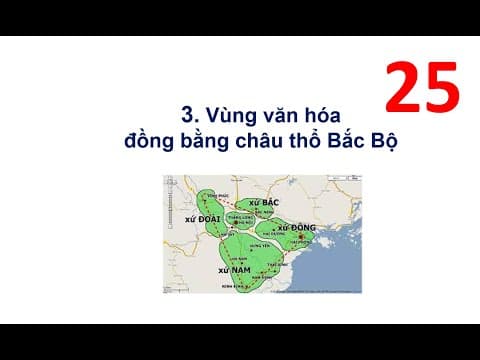
The Northern Delta is characterized by its triangular shape, with Hanoi at the apex and the fertile plains of the Red River Delta forming the base. This strategic location has made it a vital hub for trade and cultural exchange, connecting the region to both domestic and international routes. The area is predominantly agricultural, benefiting from the fertile alluvial soil deposited by the Red River and its tributaries, making it ideal for rice cultivation.
The economy of the Northern Delta is primarily based on agriculture, particularly rice farming. The region's climate, marked by high humidity and distinct seasons, supports diverse agricultural activities. Traditional practices include rice cultivation, fishing, and the production of fermented fish sauce, which reflects the community's close relationship with both land and water.
The culinary traditions of the Northern Delta are deeply rooted in its agricultural practices. The typical Vietnamese meal from this region consists of rice, vegetables, and fish, showcasing the local produce and fishing practices. The simplicity and nutritional balance of these meals reflect the lifestyle of the farming communities, where hard work is a way of life.
The cultural identity of the Northern Delta is predominantly influenced by the Kinh ethnic group, which plays a central role in shaping the region's customs and traditions. The community is known for its strong sense of collective identity, often living in close-knit villages that foster a spirit of cooperation and mutual support.
Traditional clothing in the Northern Delta is characterized by simple, practical designs. The common attire includes brown-dyed garments, which symbolize the labor-intensive lifestyle of the inhabitants. During festivals, however, people don more colorful outfits, such as the traditional ao dai, reflecting the region's rich cultural heritage.
The spiritual life of the Northern Delta is marked by a blend of indigenous beliefs and influences from Buddhism, Confucianism, and Taoism. Temples, pagodas, and communal houses are prevalent throughout the region, serving as centers for worship and community gatherings. Notable religious sites include the Hung Kings Temple and various pagodas that celebrate agricultural deities, reflecting the community's reverence for nature and fertility.
Festivals play a significant role in the cultural life of the Northern Delta. Events such as the Hung Kings Festival and the Chùa Hương Festival attract thousands of participants, showcasing traditional music, dance, and rituals that honor the region's history and agricultural roots. These celebrations foster a sense of community and continuity, linking past traditions with contemporary practices.
The Northern Delta is home to a rich tradition of performing arts, including folk music and theater. Forms such as chèo (traditional opera) and quan họ (folk singing) are integral to the cultural landscape, often performed during festivals and community events. These art forms not only entertain but also convey the stories and values of the local people.
Historically, the Northern Delta has been a center of education and intellectual achievement. It has produced a significant number of scholars and literary figures, contributing to the development of Vietnamese literature and philosophy. The region's historical significance is further underscored by its role as the capital during various dynasties, including the Ly and Tran dynasties.
The Northern Delta can be divided into several sub-regions, each with its unique cultural characteristics:
This area is known for its rich traditions in folk music and dance, particularly the quan họ singing style, which has been recognized by UNESCO as an intangible cultural heritage.
As the historical capital, Hanoi is a melting pot of cultures, blending traditional and modern influences. The city is famous for its historical sites, including the Temple of Literature and the Old Quarter.
This coastal area is characterized by its maritime culture, with a strong emphasis on fishing and trade. The region has a vibrant economy supported by its ports and fishing communities.
Known for its historical significance, Sơn Tây is home to various cultural landmarks and is associated with many legends and folk tales that enrich the local culture.
This area is recognized for its agricultural practices and traditional crafts, including pottery and silk weaving, which reflect the region's artisanal heritage.
The Northern Delta of Vietnam is a region rich in cultural heritage, shaped by its agricultural practices, historical significance, and vibrant community life. From its traditional cuisine to its artistic expressions, the cultural identity of this area continues to thrive, reflecting the resilience and creativity of its people. As we explore the various sub-regions, we gain a deeper appreciation for the diverse cultural landscape that defines Northern Delta Vietnam.