This article delves into the rich cultural history of Vietnam, focusing on the Northern Delta, Champa, and Oc Eo cultures. It discusses the influences of Chinese and Indian civilizations, the evolution of agricultural practices, and the preservation of Vietnamese identity amidst foreign domination.
Vietnam's cultural landscape has been shaped by a myriad of influences throughout its history. This article explores the cultural foundations of Vietnam, particularly focusing on the Northern Delta, Champa, and Oc Eo cultures, and how they have evolved over time.
Vietnam's history of foreign domination began in 111 BC when it was annexed by the Han Dynasty. This marked the start of a millennium-long struggle against Chinese cultural assimilation, which significantly impacted the Vietnamese identity. The resistance against Han cultural imposition was characterized by a persistent effort to preserve and protect Vietnamese culture.
The Northern Delta, known as the cradle of Vietnamese civilization, experienced significant cultural transformations during the first millennium AD. The period of Chinese rule introduced various elements of Chinese culture, including agricultural techniques and social structures. Despite this, the Vietnamese people maintained their traditional practices, particularly in rice cultivation, which remained central to their agricultural economy.
During this time, the Vietnamese adopted new agricultural tools, such as iron plows, and improved farming techniques, which enhanced productivity. The transition from traditional methods to more advanced practices marked a significant evolution in Vietnamese agriculture.
The architectural landscape also transformed, with the shift from stilt houses to brick and mortar structures influenced by Chinese designs. The establishment of Luy Lau as a political and cultural center further exemplified this change, as it became a hub for trade and governance.
The spiritual landscape of Vietnam was also affected by the introduction of Confucianism and Daoism during the Han Dynasty. While Confucianism struggled to gain a foothold due to the Vietnamese resistance to cultural assimilation, Daoism found a more receptive audience due to its compatibility with local beliefs.
Buddhism entered Vietnam through both Chinese and Indian routes, establishing itself as a significant spiritual force. The development of Buddhist centers, such as Luy Lau, highlighted the integration of Indian cultural elements into Vietnamese society.
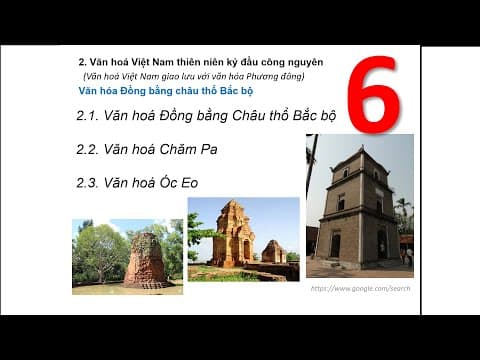
The Champa civilization, which flourished from the 2nd to the 15th century in Central Vietnam, was heavily influenced by Indian culture. The Champa people were known for their maritime trade and agricultural practices, which included rice cultivation and the exploitation of coastal resources.
Champa architecture, characterized by intricate stone temples and sculptures, reflected Indian influences, particularly in religious practices. The construction of temples dedicated to Hindu deities, such as Shiva, showcased the cultural syncretism that defined Champa society.
Champa culture was marked by a rich tapestry of festivals and rituals, many of which were influenced by Indian traditions. Music and dance played a vital role in Champa society, with performances often accompanying religious ceremonies.
Emerging between the 1st and 8th centuries, the Oc Eo culture was located in the southern regions of Vietnam and parts of Cambodia. This culture is believed to have evolved from the earlier Dong Nai culture and was characterized by its agricultural and maritime activities.
The Oc Eo people engaged in rice farming, fishing, and trade, utilizing the region's rich natural resources. The cultivation of various crops, including sugarcane and coconuts, contributed to their economic prosperity.
Oc Eo culture is renowned for its craftsmanship, particularly in pottery and jewelry. Archaeological findings have revealed a wealth of artifacts that highlight the artistic skills of the Oc Eo people, including gold and silver items that indicate a thriving trade network.
The cultural foundations of Vietnam are a complex interplay of indigenous traditions and external influences. The Northern Delta, Champa, and Oc Eo cultures each contributed uniquely to the Vietnamese identity, showcasing resilience in the face of foreign domination. Through agricultural innovations, architectural developments, and the preservation of spiritual practices, the Vietnamese people have maintained their cultural heritage while adapting to changing circumstances. This rich tapestry of history continues to shape Vietnam's cultural landscape today.