Vietnamese culture is rich and diverse, shaped by various historical and environmental factors. This post explores the two primary cultural types in Vietnam: nomadic and agricultural cultures, their origins, and their implications for social structures and community life.
Theories of Cultural Diffusion
Cultural theories play a significant role in understanding how cultures develop and spread. Three prominent theories include:
- Cultural Diffusion Theory: This theory suggests that culture originates in one area and spreads to others. It is widely accepted in Europe.
- Cultural Region Theory: Popular in the United States, this theory posits that different ethnic groups can coexist within the same geographical area, each maintaining distinct cultural identities.
- Economic-Cultural Type Theory: Common in Soviet studies, this theory categorizes cultures based on their economic foundations, such as hunting, fishing, and agriculture.
These theories are not mutually exclusive; rather, they complement each other in understanding cultural dynamics.
Types of Vietnamese Culture
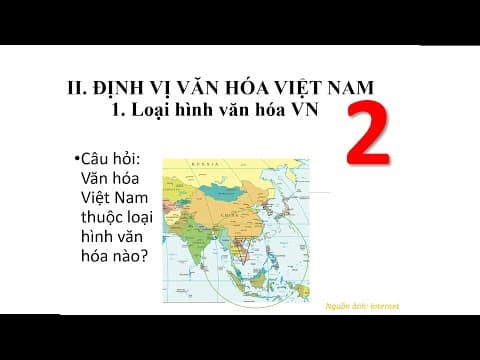
Vietnamese culture can be broadly categorized into two main types:
Nomadic Pastoral Culture
Nomadic pastoral culture is characterized by:
- Geographical Distribution: This culture is prevalent in areas with suitable terrain and climate for livestock grazing.
- Economic Activities: The primary occupation is animal husbandry, focusing on livestock such as cattle and sheep.
- Social Structure: Nomadic communities often exhibit a strong sense of individualism and mobility, adapting to environmental changes.
Agricultural Culture
In contrast, agricultural culture is defined by:
- Geographical Distribution: This culture thrives in fertile regions, particularly in the deltas and river basins of Vietnam.
- Economic Activities: The main focus is on rice cultivation and other forms of agriculture, leading to a settled lifestyle.
- Social Structure: Agricultural communities emphasize collective living, with strong ties to family and community.
The Impact of Geography and Environment
The geographical and environmental conditions of Vietnam have significantly influenced its cultural development:
- Climate: The warm and humid climate supports rice cultivation, which is central to Vietnamese agricultural culture.
- Rivers and Deltas: Major rivers like the Red River and Mekong River create fertile plains, fostering agricultural practices.
These factors have led to a culture that values community, cooperation, and respect for nature.
Social Structures and Community Life
Nomadic Culture
In nomadic cultures, social structures are often less hierarchical, with a focus on individual skills and contributions. The mobility of these communities fosters adaptability and resilience.
Agricultural Culture
Conversely, agricultural societies in Vietnam have developed more complex social structures:
- Community Orientation: There is a strong emphasis on community and familial ties, with collective decision-making processes.
- Gender Roles: Traditionally, women have played a crucial role in agricultural societies, often managing household economies and participating in farming activities.
Cultural Beliefs and Practices
Vietnamese culture is deeply intertwined with spiritual beliefs, particularly in agricultural communities:
- Worship of Nature: Many natural phenomena are revered, with deities representing rivers, mountains, and agricultural fertility.
- Rituals and Festivals: Agricultural cycles dictate various festivals and rituals, celebrating planting and harvest times.
Conclusion
Vietnamese culture is a tapestry woven from its nomadic and agricultural roots. Understanding these cultural types provides insight into the social structures, community dynamics, and spiritual beliefs that define Vietnam today. As the country continues to evolve, these cultural foundations remain integral to its identity and heritage.