The Viet Bac cultural region, located in Northeast Vietnam, is rich in history and tradition, primarily inhabited by the Tay and Nung ethnic groups. This blog post explores the region's geography, climate, cultural practices, and significant festivals, highlighting its unique contributions to Vietnam's cultural tapestry.
The Viet Bac cultural region, also known as the Northeast region of Vietnam, is situated in the northeastern part of the country, just east of Hanoi. This area gained prominence during the resistance against French colonialism, serving as a revolutionary base for the Vietnamese government. The term "Viet Bac" reflects both a geographical and a sentimental connection to the historical struggles of the Vietnamese people.
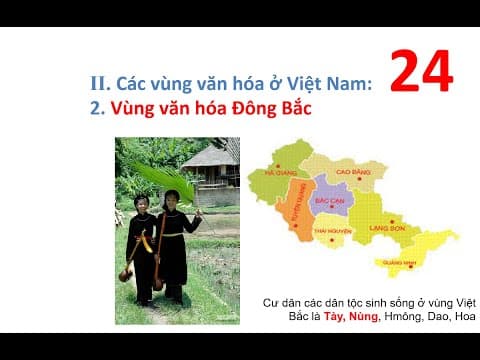
Viet Bac encompasses several provinces, including Cao Bang, Bac Kan, Ha Giang, Tuyen Quang, and Thai Nguyen, as well as parts of Bac Giang, Bac Ninh, and Quang Ninh. The region is characterized by its mountainous terrain, with a relatively flat landscape that facilitates transportation and communication. The climate is influenced by monsoons, resulting in a subtropical atmosphere, making it the coldest region in Vietnam during winter.
The area is home to several major rivers, including the Thao, Lo, Cau, Thuong, and Luc Nam rivers, along with numerous lakes. The unique geography and climate contribute to the region's rich biodiversity and agricultural practices.
While Viet Bac is home to various ethnic groups, the Tay and Nung people are the primary cultural bearers of the region. The Tay people share cultural similarities with the Vietnamese, while the Nung have closer ties to Han Chinese culture. The inhabitants primarily engage in agriculture, cultivating rice in the valleys and practicing shifting cultivation in the hills.
The traditional attire of the Tay and Nung people is simple yet distinctive. Most clothing is dyed with indigo, with the Tay and Nung men wearing plain garments without intricate patterns. Women typically wear long dresses dyed in indigo, with the Nung women often adding a white garment underneath. The clothing reflects the cultural identity and environmental adaptations of these communities.
The cold climate of Viet Bac influences the dietary preferences of its residents. The Tay and Nung people favor hearty meals, often incorporating meat and fatty foods to stay warm during the harsh winters. Notable dishes include roasted duck from Lang Son and various grilled meats from Cao Bang, showcasing the region's culinary richness.
The traditional houses of the Tay and Nung are known as "trinh tuong" houses, built for defense and resilience. These structures are made from earth and are designed to withstand the region's climatic challenges. The walls can be up to 0.5 meters thick, providing warmth in winter and coolness in summer. The architecture reflects the historical context of living near the border and the need for security.
The spiritual life of the Tay and Nung people is deeply influenced by a blend of Confucianism, Buddhism, and indigenous beliefs. One notable cultural phenomenon is the "Then" singing, a unique spiritual practice recognized by UNESCO as an intangible cultural heritage. This practice involves singing and playing traditional instruments, symbolizing a connection between the earthly and the divine.
The region hosts several significant festivals, with the "Lồng Tồng" festival being one of the most important. Celebrated in January, this agricultural festival marks the beginning of the farming season, with rituals aimed at ensuring a bountiful harvest. The festival reflects the community's hopes for prosperity and well-being.
The Viet Bac cultural region is a vibrant tapestry of history, tradition, and resilience. With its unique geography, rich cultural practices, and significant festivals, it plays a crucial role in Vietnam's cultural heritage. Understanding and appreciating the cultural identity of the Tay and Nung people provides valuable insights into the broader narrative of Vietnam's diverse ethnic landscape.