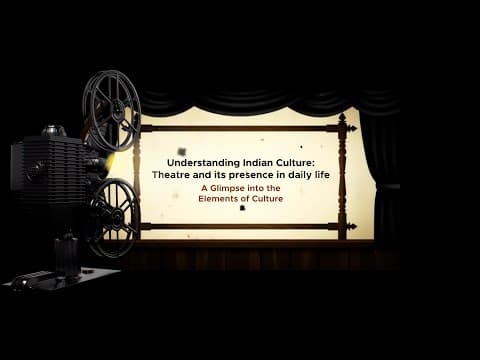
This blog post delves into the rich tapestry of Indian festivals and theatrical performances, highlighting their cultural significance, historical roots, and the role they play in contemporary society.
India is a land of diverse cultures, languages, and traditions, where festivals and theatrical performances play a pivotal role in the social fabric. This blog post aims to explore the significance of these cultural events, their historical roots, and their impact on contemporary society.
Festivals in India are not merely occasions for celebration; they are deeply rooted in the cultural and spiritual ethos of the country. Each festival has its own unique significance, often linked to historical events, religious beliefs, or seasonal changes. For instance, festivals like Diwali, Holi, and Eid bring communities together, fostering a sense of unity and shared identity.
Many Indian festivals can be traced back to ancient texts and scriptures. For example, the festival of Diwali is associated with the return of Lord Rama to Ayodhya after defeating Ravana, as narrated in the epic Ramayana. Similarly, Holi, the festival of colors, celebrates the arrival of spring and the victory of good over evil, as depicted in various mythological stories.
In modern times, festivals have evolved, incorporating contemporary elements while retaining their traditional essence. The celebration of festivals often includes elaborate rituals, feasting, and cultural performances, which serve to strengthen community bonds. The role of social media has also transformed how festivals are celebrated, allowing for wider participation and sharing of experiences.
Theatrical performances, including traditional dramas and modern plays, are an integral part of Indian culture. They serve as a medium for storytelling, often reflecting societal values, struggles, and aspirations.
India boasts a rich heritage of traditional theatre forms, such as Kathakali, Yakshagana, and Naatak. These performances are characterized by their unique storytelling techniques, elaborate costumes, and vibrant music. They often depict mythological tales, historical events, or social issues, making them a powerful tool for cultural expression.
Modern theatre in India has also gained prominence, addressing contemporary issues and reflecting the changing dynamics of society. Playwrights and directors are increasingly exploring themes such as gender equality, environmental concerns, and social justice, making theatre a platform for dialogue and reflection.
Festivals and theatrical performances often intersect, with many festivals featuring cultural shows and dramas. This interplay enhances the festive atmosphere and provides a platform for artists to showcase their talents. For instance, during the Durga Puja festival, elaborate stage performances and dramas are organized, attracting large audiences and fostering a sense of community.
In conclusion, festivals and theatrical performances are vital components of Indian culture, reflecting the country's rich heritage and diversity. They not only provide entertainment but also serve as a means of preserving traditions, fostering community spirit, and addressing contemporary issues. As India continues to evolve, the significance of these cultural events remains steadfast, reminding us of our shared history and collective identity.