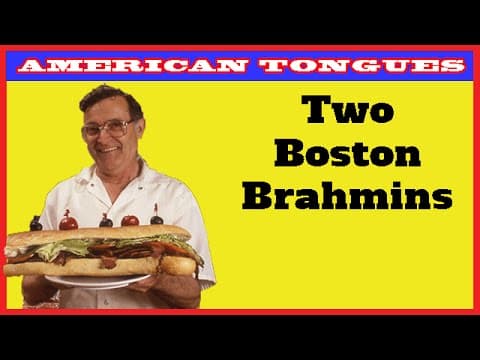
In this blog post, we delve into a conversation between two Boston Brahmins discussing their unique dialect, the influence of literature, and the dwindling population of their social class. They reflect on the significance of their heritage and the evolution of language in Boston, highlighting the cultural shifts that have occurred over the years.
In the rich tapestry of American culture, few groups have been as influential yet as enigmatic as the Boston Brahmins. This blog post captures a fascinating conversation between two members of this elite social class, shedding light on their unique dialect, literary preferences, and the challenges they face as a dwindling group in modern society.
The Boston Brahmins are often characterized by their old-money status, cultural sophistication, and a distinct way of speaking. During the conversation, one participant proudly claims, "I consider myself speaking the Brahman dialect of Boston." This statement underscores the pride they take in their heritage and the linguistic nuances that define their identity.
Interestingly, the term "Brahmin" itself is not as ancient as one might think. It was popularized by Oliver Wendell Holmes in the mid-19th century, illustrating how language and identity are intertwined. The participants reflect on the complexity of defining what it means to be a Brahmin, suggesting that it encompasses more than just social status—it is about a shared culture and way of life.
As the conversation unfolds, the participants acknowledge the decline of their social class. One states, "We are a dwindling group," indicating that the number of individuals who identify as Boston Brahmins is shrinking. They estimate that there may be as many as a thousand Brahmins left in a city of 600,000, highlighting the rarity of their dialect and lifestyle.
The decline of the Boston Brahmins raises questions about the preservation of cultural heritage. The participants express a sense of loss, not just for their social class but for the unique dialect that has been passed down through generations. They ponder whether there are many people in Boston who still speak like them, suggesting that their way of life is becoming increasingly rare.
A significant part of their conversation revolves around literature, particularly their differing opinions on famous authors. One participant expresses a strong preference for Charles Dickens, stating, "I'm a Dickens man," while the other favors Jane Austen, calling her the greatest novelist in the English language. This debate highlights the cultural references that are important to the Brahmin identity and how literature shapes their worldview.
The discussion about Dickens and Austen serves as a metaphor for the broader cultural shifts occurring within the Brahmin community. The participants' literary preferences reflect their values and the legacy they wish to uphold. Dickens, with his lively storytelling, contrasts with Austen's more restrained narratives, symbolizing the tension between tradition and modernity.
The conversation between these two Boston Brahmins offers a poignant glimpse into a world that is rapidly fading. As they navigate their identity in a changing cultural landscape, they embody the complexities of heritage, language, and literature. Their reflections serve as a reminder of the importance of preserving cultural identities, even as the world around them evolves. The Boston Brahmins may be a dwindling group, but their legacy continues to resonate in the fabric of American society.