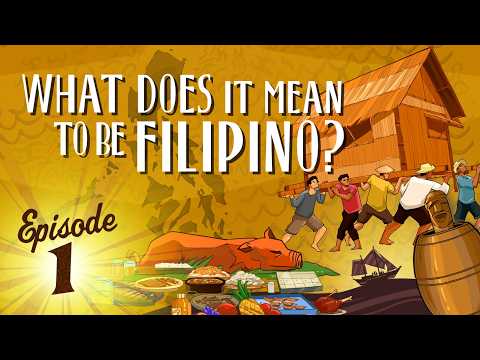
This blog post delves into the essence of being Filipino, exploring the historical roots of the Austronesians, the significance of community and cooperation embodied in the bayanihan spirit, and how these elements shape Filipino identity today.
What does it mean to be Filipino? This question invites us to explore various aspects of Filipino identity, from our rich culinary traditions to our love for basketball, and the pride we feel when we see fellow Filipinos succeed on the global stage. However, the essence of being Filipino runs much deeper than these surface-level traits.
Filipino identity cannot be pinned down to a single characteristic. With over 170 unique languages spoken across the archipelago, the concept of a mother tongue becomes complex. Additionally, Filipinos come in a variety of skin tones, reflecting the diverse heritage of the nation. Historically, Filipinos were united by geography, but today, millions of Filipinos live abroad, contributing to one of the largest diasporas in history.
To truly understand what it means to be Filipino, we must look back to our ancestors, the Austronesians. Over 5,000 years ago, this group of people utilized advanced sailing technology to navigate the oceans, discovering new lands long before many other cultures had even invented the wheel. They developed boats known as "balangays," which allowed them to explore the rivers and coastlines of the islands that would become the Philippines.
The journeys of these early Filipinos were not solitary endeavors; they were collaborative efforts. Each member of the community played a vital role in navigation, fishing, rowing, and steering. This spirit of cooperation was essential for survival and success, as they were literally all in the same boat. This foundational experience of working together laid the groundwork for a strong sense of community that persists in Philippine culture today.
The term "barangay" is derived from the "balangay" boats, symbolizing the cooperation and collaboration that characterized early Filipino society. This concept of community is still relevant today, as it reflects the importance of working together for the common good.
Central to Filipino culture is the concept of "bayanihan," which comes from the Filipino word "bayani," meaning hero. The bayanihan spirit embodies the idea of helping one another without expecting anything in return. Throughout Philippine history, this spirit has been a source of strength during times of war, natural disasters, and other challenges. Filipinos have relied on this communal support to persevere and thrive.
Today, the bayanihan spirit continues to manifest in various ways among Filipinos, both in the Philippines and abroad. Many Filipinos are drawn to careers that involve helping others, and the culture is renowned for its hospitality. The Christmas season, a time of sharing and giving, lasts for four months in the Philippines, further illustrating the deep-rooted values of generosity and community.
So, what does it mean to be Filipino? Reflecting on our history, we can conclude that being Filipino means to care, to share, and to love. It is about loving your family, your neighbors, and your community. Regardless of where we find ourselves in the world, we are united as one people, on the same journey, and in the same boat. This enduring spirit of bayanihan is what connects us all, transcending borders and time, and defining the essence of being Filipino.